
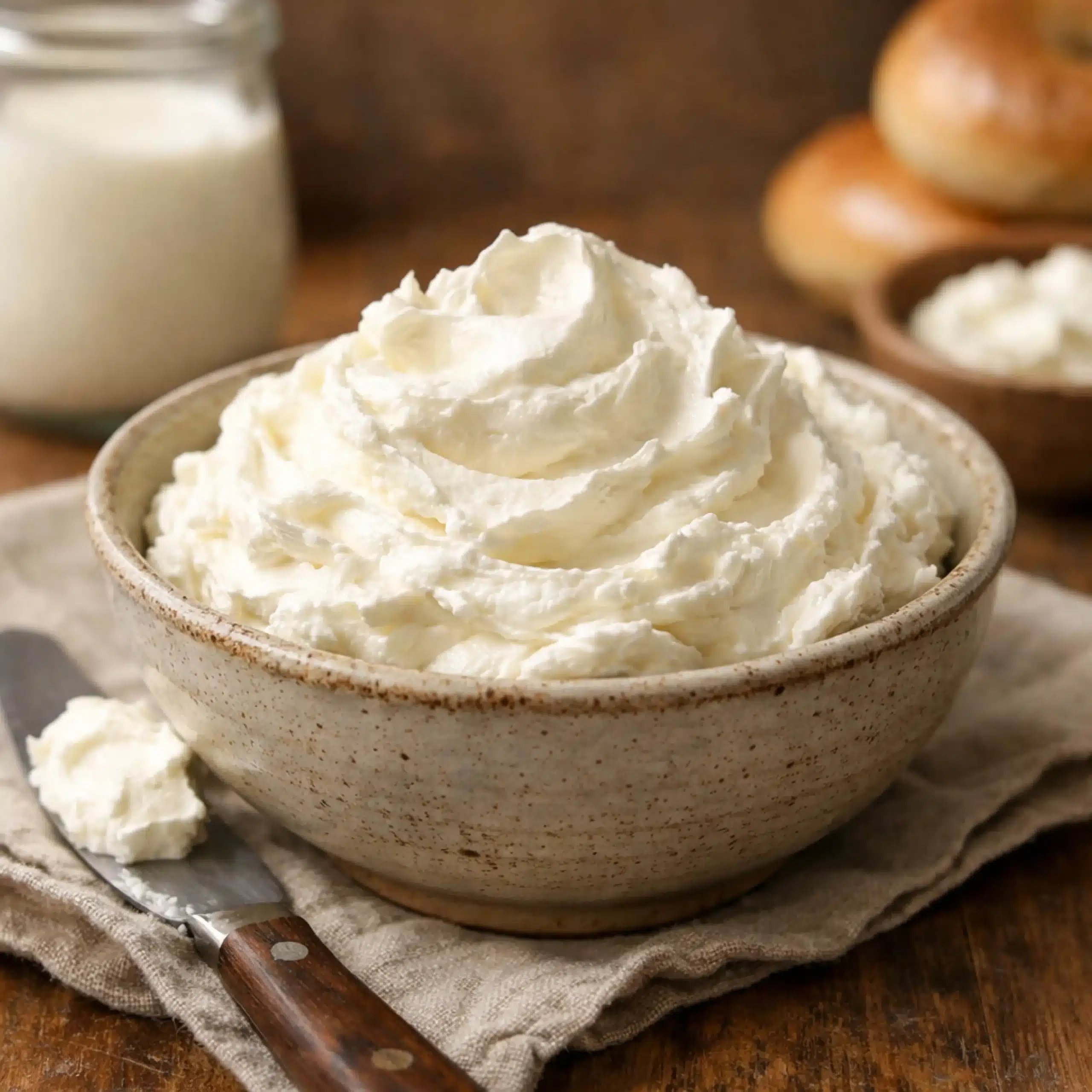
I first learned to love whipped cream cheese on a rushed weekday afternoon, when I needed a quick frosting that felt lighter than the brick I pulled from the fridge. I remember standing in my kitchen, mixer humming, thinking about my grandmother’s old wooden counter and how she never rushed cream cheese—she softened it, worked it, trusted it. These days, with kids asking what’s for dessert before dinner’s even done, I still chase that same feeling. Something simple. Something that works. And honestly, this lighter version just fits real life better.
Print
Homemade Whipped Cream Cheese
- Total Time: 5 minutes
- Yield: About 1½ cups
Description
A light, smooth whipped cream cheese made from a simple block of cream cheese. Perfect for frostings, spreads, and everyday baking when you want something softer and easier to work with.
Ingredients
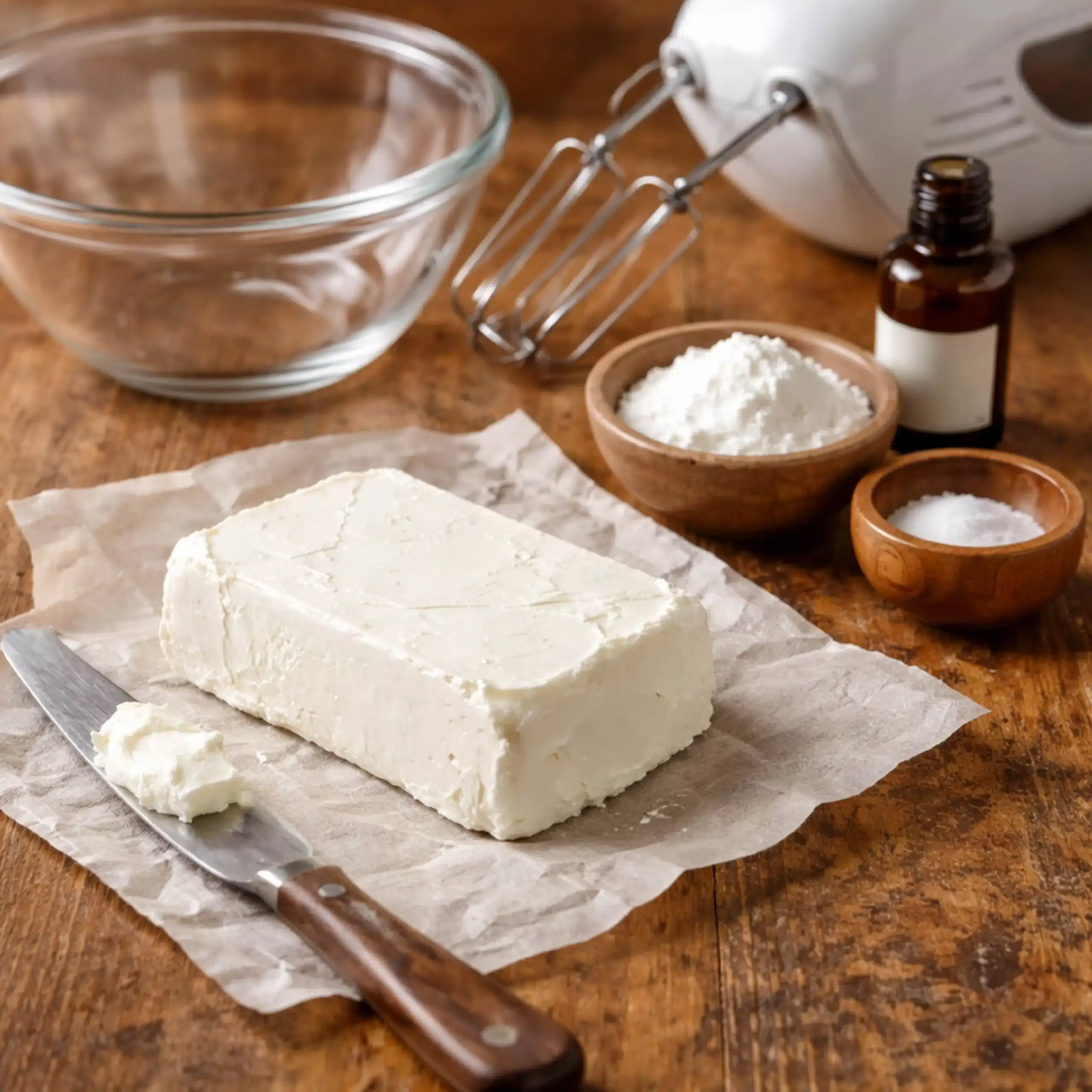
8 oz cream cheese, fully softened
Optional (only if using for frosting or spreads):
1–2 tablespoons powdered sugar
½ teaspoon vanilla extract
Pinch of salt
Instructions
Place the softened cream cheese in a mixing bowl.
Beat with a hand mixer or stand mixer on medium speed until smooth and slightly aerated.
Stop once the texture looks light, creamy, and spreadable.
Use immediately, or cover and refrigerate until needed.
Notes
Cream cheese must be fully softened for the smoothest texture.
Avoid overwhipping, especially if adding sugar later.
Best used the same day for maximum lightness.
- Prep Time: 5 minutes
- Cook Time: 0 minutes
- Category: Dessert
- Method: Mixing
- Cuisine: American
Table of Contents
Understanding whipped cream cheese and why it feels different
What makes whipped cream cheese unique
Whipped cream cheese isn’t a separate ingredient you have to hunt down. It’s regular cream cheese that’s been worked until air changes the texture. That added air makes it softer, lighter, and easier to spread, which is why it feels so different the moment you touch it.
I noticed this years ago when I started making quick frostings late at night, usually after the kitchen was already half-cleaned. Regular cream cheese felt stiff and stubborn. Whipped cream cheese moved with me. It blended faster, accepted sugar more easily, and didn’t demand perfect timing.
The flavor stays familiar. It’s still tangy and rich. But the texture shifts everything. It feels less heavy on the tongue, which matters more than people realize. Especially for simple cakes where frosting shouldn’t overpower the crumb.
It also forgives mistakes. Slightly overmix? Still smooth. Added sugar too fast? It usually recovers.
That kind of flexibility matters in a real kitchen.
Why bakers reach for it more often
For everyday baking, whipped cream cheese feels practical. It’s easier to spread between layers, smoother on loaf cakes, and quicker when you’re pulling something together between school pickup and dinner.
I reach for it when baking snack cakes, casual cupcakes, or anything meant to feel unfussy. It works well in no-bake desserts too, where texture carries the whole dish. When I need something sweet even faster, I usually fall back on this powdered sugar frosting instead.
That said, it’s not a miracle ingredient. It won’t replace structure where structure is needed. But when lightness and ease matter more than stiffness, whipped cream cheese fits naturally.
Some days I want sturdy. Other days I want easy. This falls firmly into the second category.
Using whipped cream cheese in everyday baking
Where whipped cream cheese shines most
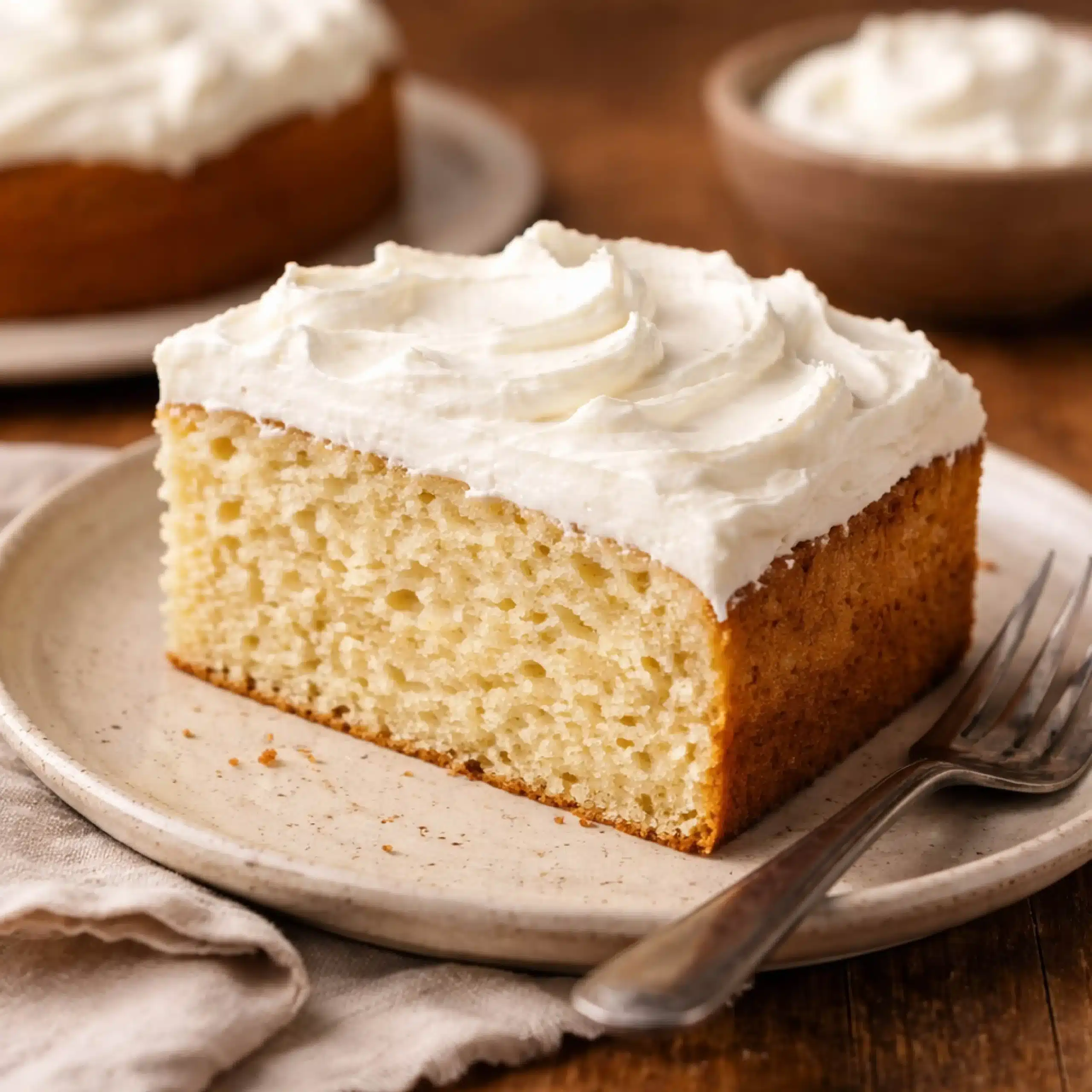
In a home kitchen, whipped cream cheese earns its place through ease. It spreads smoothly without tearing cake layers. It blends quickly with sugar, cocoa, or citrus. And it doesn’t demand perfect softening time, which is honestly a relief on busy days.
I like using it for simple frostings, cake fillings, and dessert spreads. Snack cakes, loaf cakes, and casual cupcakes all benefit from that lighter texture. It also works well in no-bake desserts where you want creaminess without weight.
When baking for family, this texture usually disappears into the background in the best way. People notice that it’s “not too heavy,” but they can’t always say why. That’s usually the goal.
It’s also forgiving. Slight temperature changes don’t throw it off as easily as denser cream cheese does. That matters if your kitchen runs warm or your timing isn’t perfect. On days when I want deeper flavor instead of tang, I switch to this brown sugar frosting.
When to slow down and choose carefully
Even though whipped cream cheese is flexible, it isn’t universal. Recipes that rely on firmness or structure don’t always love extra air. Dense layered desserts, tightly rolled pastries, or baked fillings can lose definition.
I’ve learned to pause and think about the final texture I want. If the dessert needs to hold a sharp edge or stay tall for hours, I usually choose something sturdier. If it’s meant to be soft and cozy, whipped cream cheese fits right in.
There’s also a flavor difference, though it’s subtle. The lightness can soften the tang slightly. I don’t mind that, but I notice it.
Sometimes I want bold. Sometimes I want gentle. This leans gentle.
Texture, flavor, and why whipped cream cheese feels lighter
How air changes the texture
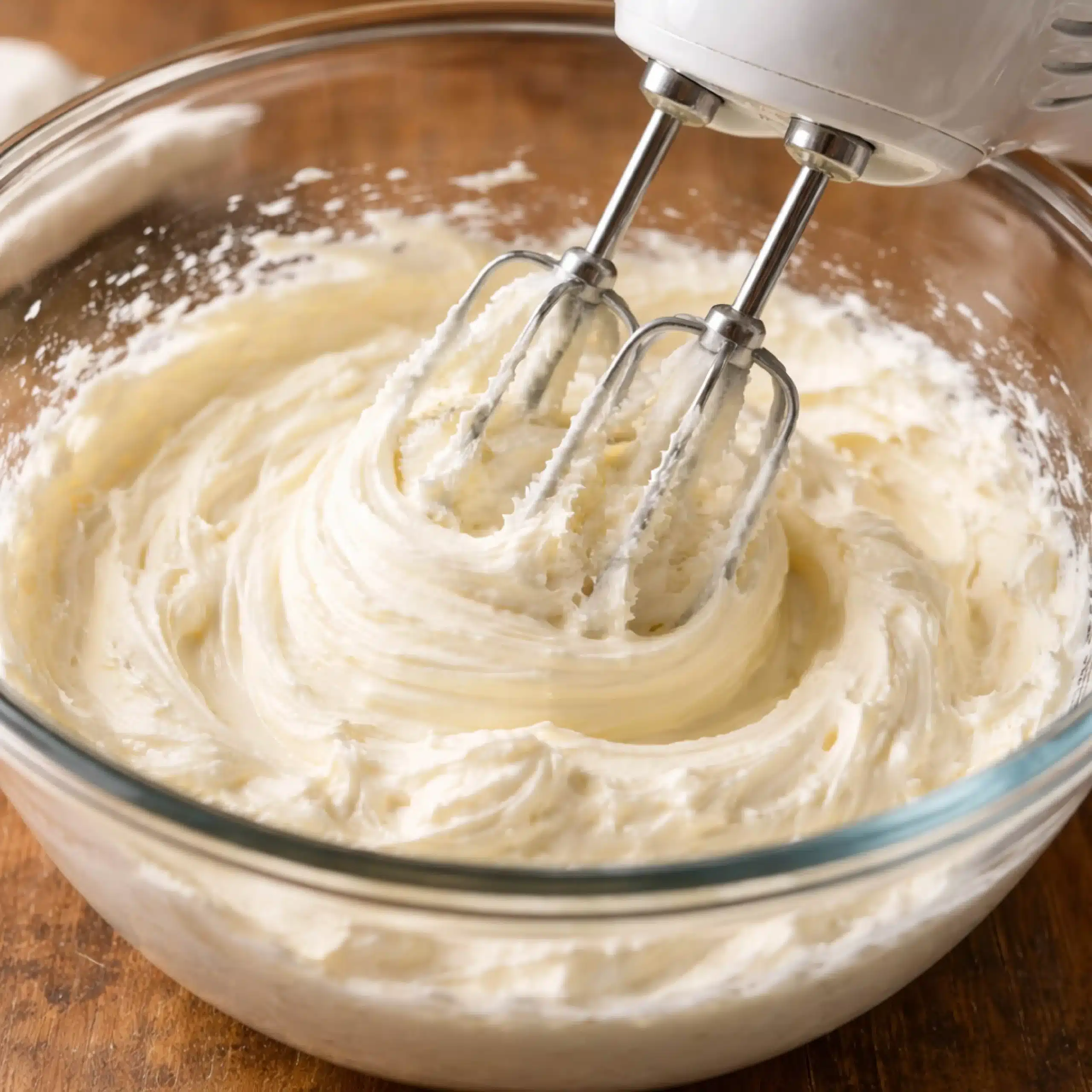
The biggest difference with whipped cream cheese is air. That extra air changes how it behaves the moment you start mixing. It loosens the texture, making it smoother and more cooperative, especially when you’re working quickly.
When I stir or beat it, I notice how easily it takes on other ingredients. Sugar blends in without graininess. Flavorings don’t need much encouragement. Even a simple spoon test tells you it’s different. It doesn’t cling or resist.
This matters more than people think. Texture affects confidence. If something spreads easily, you relax. If it fights back, you second-guess yourself. I’ve had both experiences, and I know which one I prefer after a long day.
That lightness also means it feels softer once finished. On cakes, it melts into the crumb instead of sitting on top like a thick layer. Sometimes that’s exactly what I want.
Flavor expectations in simple desserts
Flavor-wise, whipped cream cheese stays familiar. The tang is still there, but it’s gentler. Less sharp. More rounded. In simple desserts, that can be a good thing.
I tend to pair it with vanilla-heavy cakes, mild chocolate, or fruit-forward flavors. It doesn’t compete. It supports. If a recipe needs a bold, punchy cream cheese flavor, I adjust or choose differently.
Personally, I don’t always want intensity. I like desserts that feel calm. This helps with that.
Not every bake needs to make a statement. Some just need to be pleasant.
Making whipped cream cheese at home when you need it
Turning regular cream cheese into something lighter
There are plenty of days when I don’t plan ahead. I reach into the fridge, see a brick of cream cheese, and decide to make it work. That’s usually when I whip it myself.
The key is softness. Truly softened cream cheese matters here. Once it’s pliable, a mixer or even a sturdy spoon can transform it. Beating introduces air, and that’s what changes everything. The texture loosens. The resistance fades.
I usually stop before it looks fluffy in a dramatic way. Overdoing it can push it too far, especially if I’m adding sugar later. I aim for smooth, spreadable, and slightly aerated. Nothing fancy.
Some batches turn out better than others. That’s fine. I don’t chase perfection with this.
Knowing when homemade is enough
Homemade whipped cream cheese works best when convenience matters more than consistency. For frostings, spreads, and casual desserts, it does the job beautifully. I use it right away and don’t overthink storage.
That said, it won’t behave exactly like store-bought versions every time. The air content varies. The softness varies. If a recipe depends heavily on precision, I slow down and choose accordingly.
I like knowing I can make it if I need it. That flexibility matters in a busy kitchen.
Some days I plan. Some days I adapt. This fits the second kind of day perfectly.
Frequently Asked Questions About Whipped Cream Cheese
Can you substitute whipped cream cheese for regular cream cheese?
Yes, you can substitute whipped cream cheese for regular cream cheese in many situations, but it depends on the recipe. In frostings, spreads, dips, and no-bake desserts, whipped cream cheese usually works well and often creates a lighter texture. In baked recipes that rely on structure, like cheesecakes or dense bars, the extra air can change how the dessert sets.
How to whip cream with cream cheese?
To whip cream with cream cheese, start with softened cream cheese so it blends smoothly. Beat the cream cheese first until creamy, then slowly add cold heavy cream while mixing. This helps the mixture stay smooth instead of lumpy. I usually whip until soft peaks form, then stop. Going too far can make it grainy.
How to turn a brick of cream cheese into whipped cream cheese?
You can turn a brick into whipped cream cheese by letting it fully soften and then beating it with a mixer. The beating process adds air, which lightens the texture. I usually stop once it looks smooth and slightly fluffy, not stiff or overworked. A little patience here makes a big difference.
Which is healthier, butter or whipped cream cheese?
It depends on how you use it. Whipped cream cheese often has fewer calories per tablespoon because of the added air, so you may use less overall. Butter is more calorie-dense but also more filling. I tend to choose based on the recipe and how rich I want the final result to feel.
A quick note before you go
If there’s one thing I hope you take from this, it’s that whipped cream cheese doesn’t have to feel complicated or intimidating. It’s just another tool in the kitchen—one that can make baking feel lighter, faster, and a little less stressful. Some days that’s exactly what we need.
If you’d like more everyday baking tips, cozy recipes, and behind-the-scenes moments from my real kitchen, you can find me over on Facebook and Pinterest. I share new ideas there first, plus plenty of simple cakes that actually fit into busy days.
I’m always glad you’re here.