
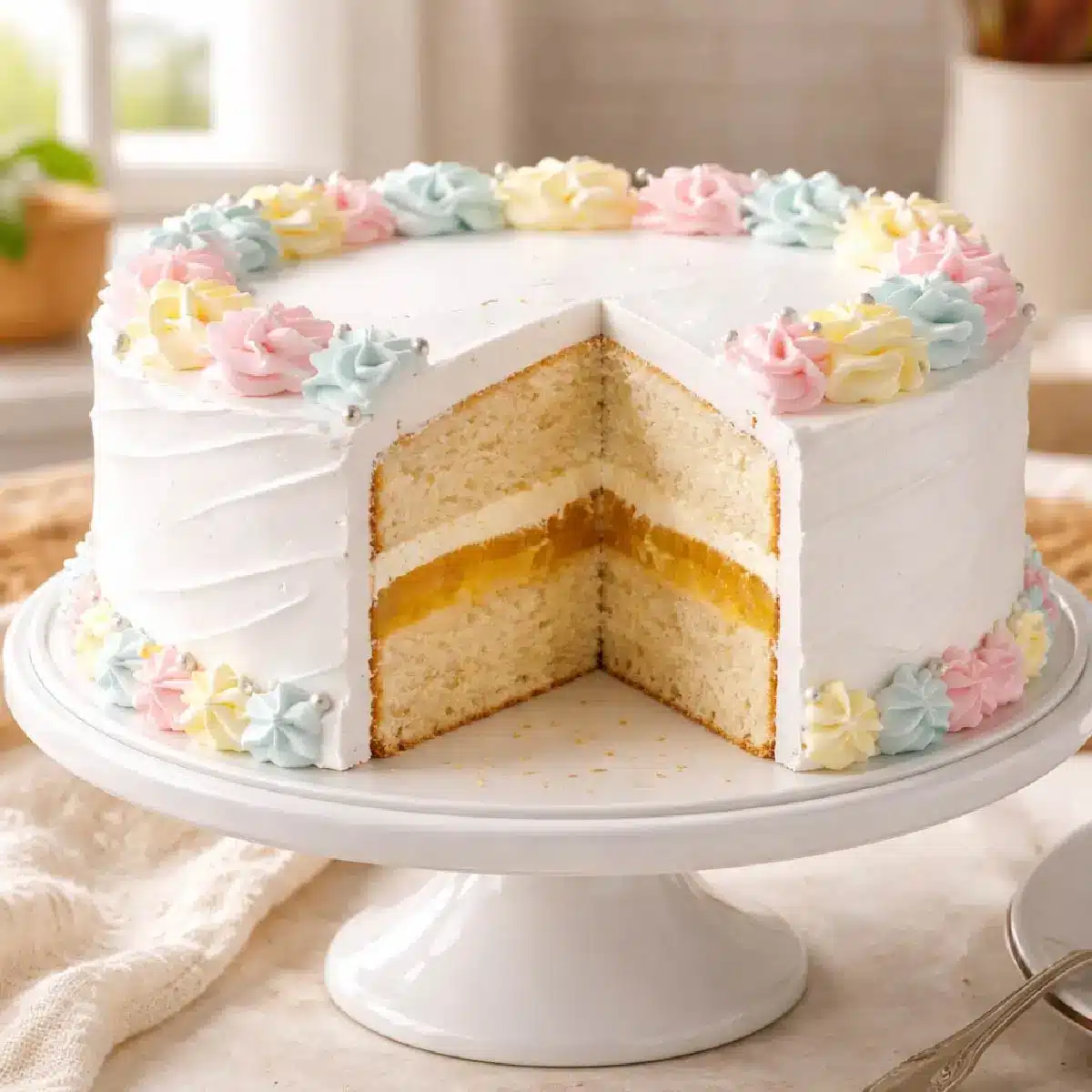
The first time I baked dominican cake, it took me straight back to my grandmother’s kitchen, where cakes weren’t fancy but always felt important. I remember the hum of the mixer, the smell of warm sugar, and how frosting never looked perfect—but no one cared. That’s still how I bake today. Life’s busy. Kids need things. Ovens preheat slower than you want. Still, this cake asks you to slow down just a little, and it gives a lot back. It’s tender, lightly sweet, and meant to be shared without overthinking it.
Some days I’ll admit I crave simpler cakes. But this one keeps pulling me back.
Print
Dominican Cake
- Total Time: 1 hour 20 minutes (plus cooling and chilling)
- Yield: 12 servings
Description
This Dominican cake is soft, lightly sweet, and made for celebrating. Tender vanilla cake layers are brushed with milk soak, filled with pineapple filling, and finished with fluffy meringue frosting. It’s the kind of cake that tastes even better the next day and feels just as right at birthdays as it does at family gatherings.
Ingredients
Cake Layers
2½ cups all-purpose flour
2½ teaspoons baking powder
½ teaspoon salt
1 cup unsalted butter, softened
2 cups granulated sugar
5 large eggs, room temperature
1 cup whole milk
1 tablespoon vanilla extract
Milk Soak
¾ cup evaporated milk or sweetened milk
Filling
1 to 1½ cups pineapple filling (smooth and spoonable, not thick)
Meringue Frosting
5 large egg whites
1¼ cups granulated sugar
⅓ cup water
¼ teaspoon cream of tartar (optional but helpful)
1 teaspoon vanilla extract
Instructions
Make the Cake Layers
Preheat oven to 350°F. Grease and line two 9-inch round cake pans.
Whisk flour, baking powder, and salt in a bowl.
In a large bowl, beat butter and sugar until pale and fluffy.
Add eggs one at a time, mixing well after each addition.
Mix in vanilla.
Alternate adding dry ingredients and milk, beginning and ending with dry.
Divide batter evenly between pans.
Bake 30–35 minutes, until centers spring back lightly.
Cool completely, then chill layers before assembling.
Prepare the Milk Soak
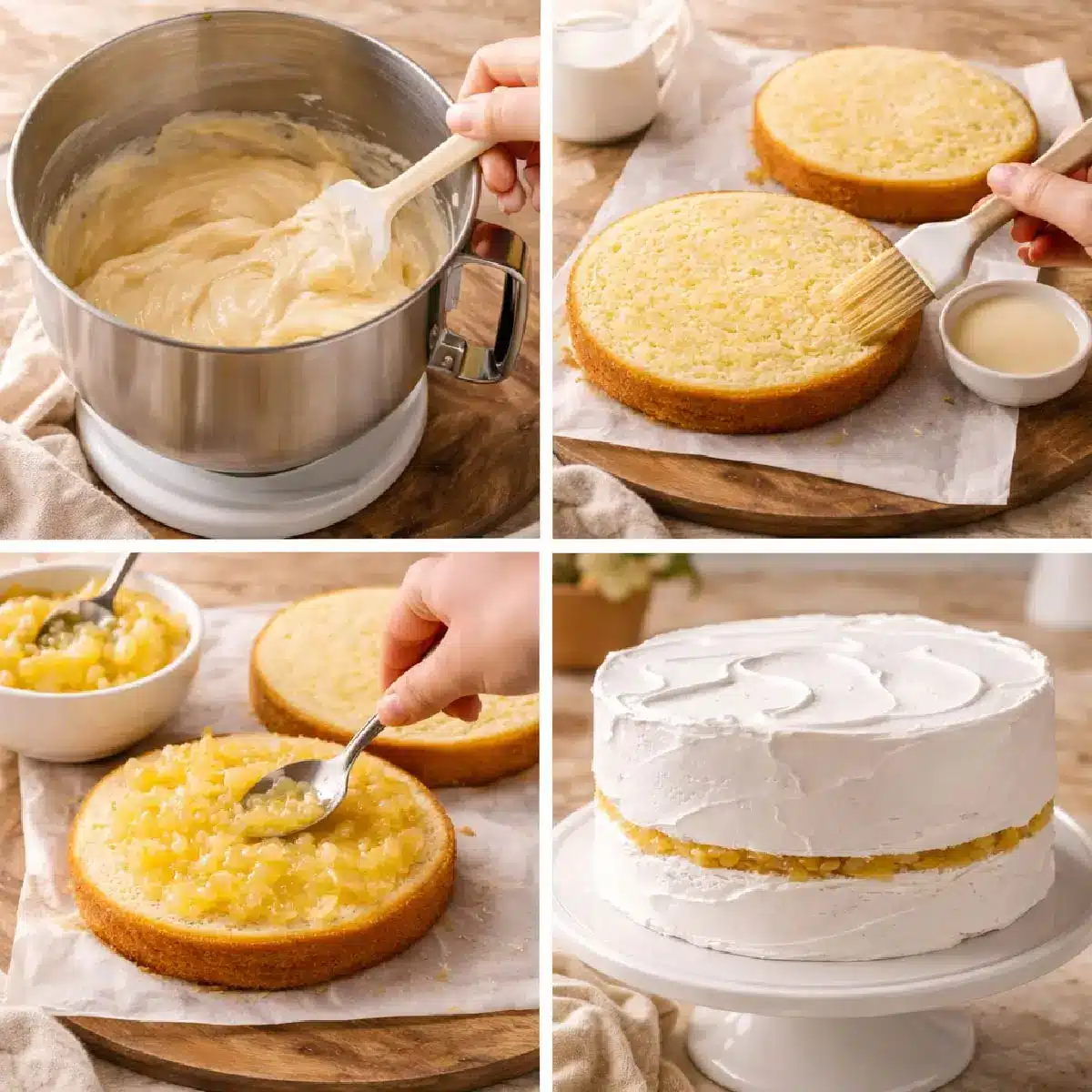
Using a pastry brush or spoon, lightly brush the cake layers with milk soak until just moist. Do not oversoak.
Assemble the Cake
Place first cake layer on a cake board or stand.
Spread pineapple filling evenly, keeping it slightly away from the edges.
Add second layer and brush lightly with more milk soak.
Make the Meringue Frosting
Combine sugar and water in a saucepan. Heat until syrup reaches 240°F.
While syrup heats, whip egg whites with cream of tartar until soft peaks form.
Slowly pour hot syrup into egg whites while whipping continuously.
Continue whipping until bowl feels cool and frosting is thick and glossy.
Mix in vanilla.
Frost and Chill
Apply a thin crumb coat of meringue and chill 20 minutes.
Finish frosting with smooth sides or soft swirls.
Chill before slicing for clean layers.
Notes
This cake improves after resting overnight in the refrigerator.
Pineapple filling should be soft, not jam-thick, to prevent sliding layers.
Meringue frosting works best when applied to chilled cake layers.
Store refrigerated and bring slightly toward room temperature before serving.
- Prep Time: 45 minutes
- Cook Time: 35 minutes
- Category: Dessert
- Cuisine: Caribbean
Table of Contents
Dominican Cake Basics You Should Know Before Baking
What makes Dominican cake unique
Dominican cake stands out because of its texture first. It’s soft, almost plush, with a fine crumb that feels light but still rich. That comes from using whole eggs, milk, and a generous amount of fat—usually butter or a mix of butter and oil. The cake doesn’t rely on bold flavors. Instead, it leans into vanilla and milk, letting the filling and frosting do some of the talking.
Another key difference is moisture. These layers often get brushed or lightly soaked with milk or simple syrup. Not enough to feel wet. Just enough to keep the crumb tender for days. Honestly, that’s one reason I love it. It forgives you if it sits overnight.
I don’t rush this step. Ever.
Common ingredients and flavor profile
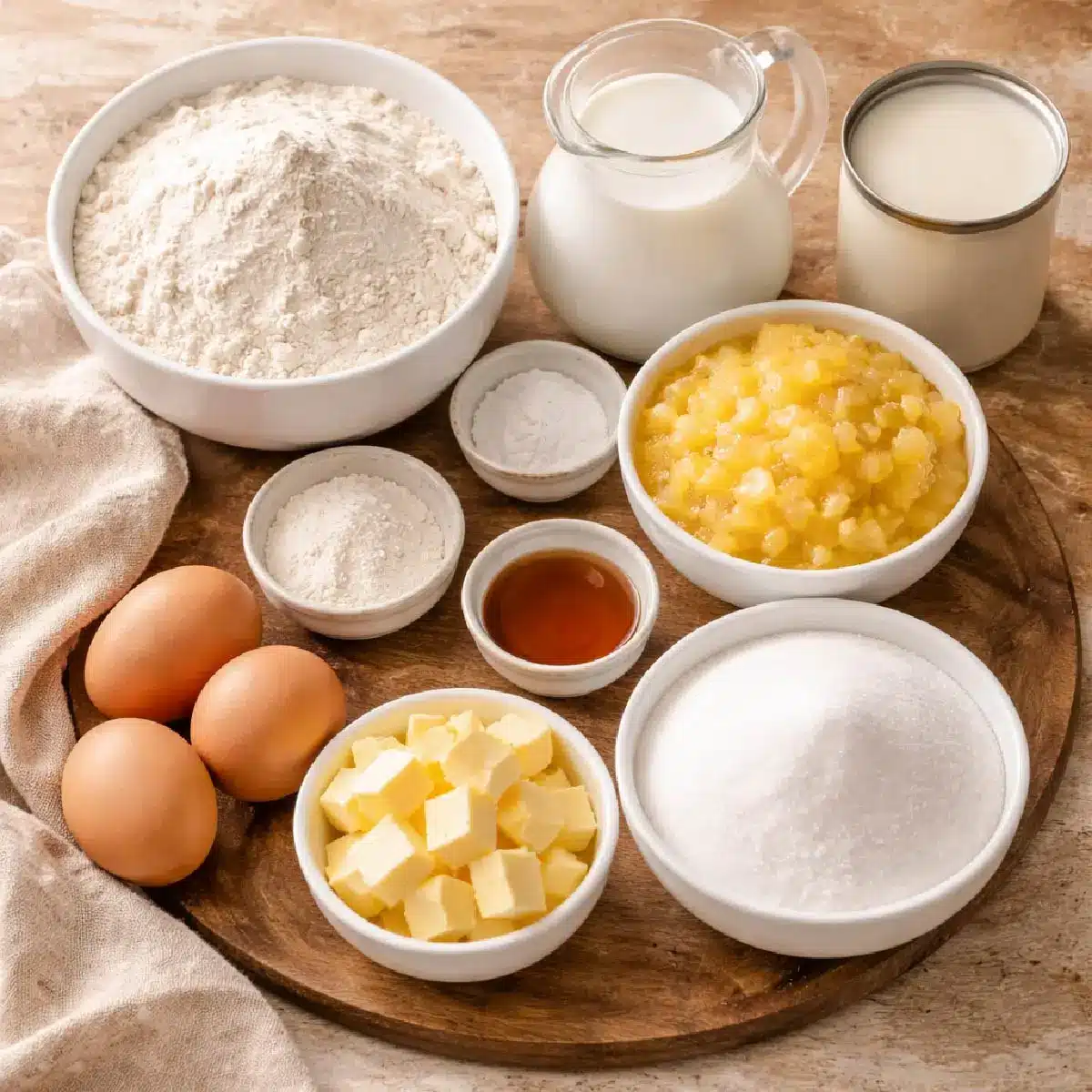
At its heart, dominican cake uses pantry basics: flour, sugar, eggs, milk, butter, and vanilla. No tricks. The magic comes from balance. Too much sugar and it loses that gentle flavor. Too little fat and it dries out fast.
Traditionally, it’s paired with a pineapple filling or a milk-based filling, then wrapped in meringue frosting. That frosting matters. It’s fluffy, not buttery, and slightly sweet. If you’ve only worked with buttercream, like the kind used on a classic buttercream cake, this will feel different—but in a good way.
I’ll be honest. Meringue frosting scared me the first time. I almost skipped it. I’m glad I didn’t.
If you’re baking for a birthday or family gathering, this cake holds up well, slices cleanly, and still tastes good the next day. I actually think it’s better then.
Dominican Cake Fillings and Moisture Layers
Popular fillings used in Dominican cake
When people think about dominican cake, they usually remember the filling first. Pineapple filling is the classic choice. It’s lightly sweet, a little tangy, and cuts through the softness of the cake layers just right. The texture matters here. It shouldn’t be jammy or stiff. A softer, spoonable filling spreads easily and keeps the layers from sliding.
Some bakers use dulce de leche or a milk-based custard, like Bavarian cream, instead. Those fillings make the cake richer and heavier. I like them for smaller gatherings, not big parties. They feel more indulgent, and honestly, a little goes a long way.
Every family seems to have a preference. That’s part of the charm. There’s no single “correct” filling, even though people argue about it like there is.
Milk soaking: why it matters
This is where Dominican-style cakes quietly shine. The layers often get brushed with evaporated milk, sweetened milk, or a light syrup before filling. The goal isn’t to drench the cake. It’s to protect the crumb.
Dry cake stresses me out. This step fixes that.
The milk soak keeps the cake soft for days, especially if it’s stored in the fridge. It also helps the flavors settle. Vanilla tastes warmer. Sugar tastes calmer. Everything feels more balanced.
I usually apply the soak with a pastry brush. Sometimes I use a spoon if I’m feeling lazy. Both work.
One small warning: too much liquid will weigh the layers down. Go slow. Pause. Touch the surface. If it feels cool and slightly damp, stop.
That’s enough.
Dominican Cake Frosting and Assembly Tips
The role of meringue frosting
The frosting is where dominican cake really separates itself from other celebration cakes. Instead of buttercream, it’s traditionally finished with a fluffy meringue frosting. Light. Glossy. Not heavy at all. It almost melts when you bite into it.
This frosting balances the soft cake and sweet filling without tipping everything into sugar overload. That matters. The cake already has milk and syrup working behind the scenes. Buttercream can feel like too much, especially if you’re used to lighter styles like Chantilly cake.
I won’t lie. Meringue frosting takes attention. You can’t walk away from it. The syrup needs to hit the right temperature, and the egg whites need patience. The first time I made it, my hands were shaking a little. I remember thinking, why am I doing this on a Tuesday?
Now it feels familiar.
Assembling clean, even layers
Assembly doesn’t need perfection, but structure matters. Chill the cake layers first. Cold layers stack better and absorb filling more evenly. I level them gently, then brush on the milk soak before adding filling.
Keep the filling slightly away from the edges. This helps avoid bulging once the frosting goes on. After stacking, I do a thin crumb coat with meringue and chill the cake again. That step alone saves so much frustration later.
Once set, the final frosting goes on easily. Swirls, smooth sides, or simple waves all work. Traditional designs often include piped borders and soft pastel colors, but honestly, plain white still feels right to me.
Sometimes simple wins.
Dominican-Style Cake for Celebrations and Variations
When dominican cake is traditionally served
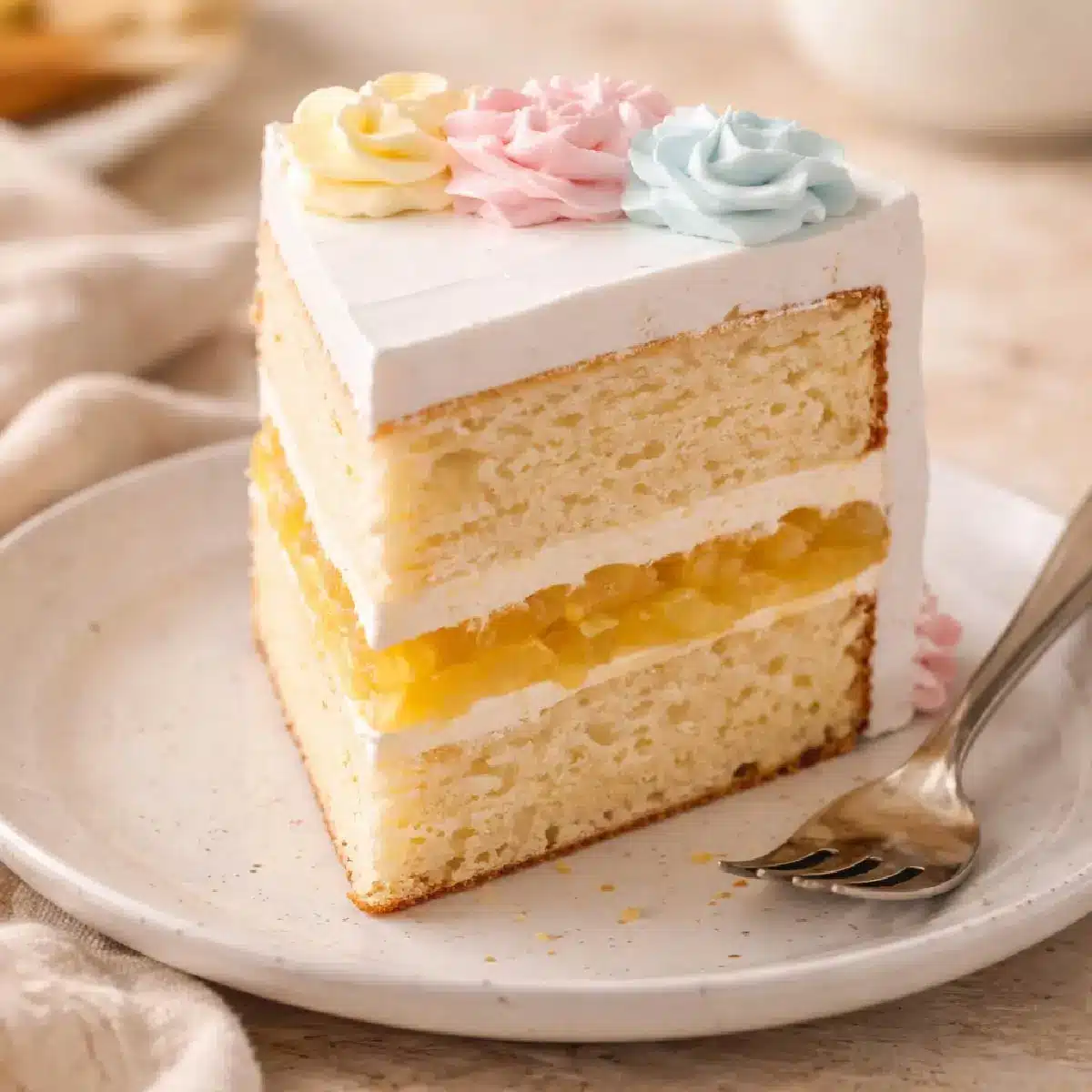
This cake shows up for big moments. Birthdays. Baptisms. Weddings—much like a classic white birthday cake—are where this cake shines. Any gathering where the table matters a little more than usual. Dominican cake isn’t a weekday snack cake. It’s a statement cake, even when it looks simple.
What I love most is how well it fits loud rooms and long conversations. It doesn’t crumble when sliced. It doesn’t melt immediately. It waits patiently while everyone finishes talking.
The cake is often made a day ahead, which feels practical and kind. Flavors deepen overnight. The milk soak settles. The filling relaxes. I’ve learned not to rush it. Letting the cake rest is part of the process, whether tradition says so or not.
Some celebrations want drama, like a confetti cake. This cake just wants people.
Popular variations, including coquito cake
There are plenty of twists on the classic version. Coconut milk sometimes replaces regular milk. Rum or vanilla bean might sneak into the syrup. During the holidays, coquito cake becomes popular. It’s inspired by the coconut-based drink, with coconut milk, spices, and a gentle warmth that feels seasonal without being loud.
I like coquito-style versions in winter, but I don’t bake them year-round. That’s a preference, not a rule. Too much coconut can overwhelm the soft crumb if you’re not careful.
If you’re experimenting, keep the base cake gentle. Let the add-ins whisper, not shout.
That restraint is what keeps the cake recognizable, no matter the variation.
Frequently Asked Questions
What is a traditional Dominican cake?
A traditional dominican cake is a soft vanilla sponge layered with pineapple or milk-based filling, brushed with milk or syrup, and finished with fluffy meringue frosting. It’s known for its light texture and gentle sweetness rather than bold flavors.
Why is Dominican cake different?
The biggest difference is texture and moisture. The layers are soaked lightly with milk, which keeps the cake tender for days. The use of meringue frosting instead of buttercream also makes it feel lighter and less heavy.
What is the best filling for Dominican cake?
Pineapple filling is the most classic choice. That said, milk custard or dulce de leche are also common. I usually choose pineapple when I want balance and milk-based fillings when I want something richer.
What is a coquito cake?
A coquito cake is a variation of dominican cake inspired by the coconut holiday drink. It often includes coconut milk, warm spices, and sometimes a splash of rum for flavor.
A Final Thought Before You Bake
If there’s one thing dominican cake has taught me, it’s patience. This isn’t a rush-it-out-of-the-oven dessert. It rewards slowing down, even just a little. I hope you bake it when you need something steady and comforting, not flashy. If you’d like more cozy cake ideas and behind-the-scenes baking moments, I share them often on my Facebook page and save my favorite inspiration over on Pinterest too. I’d love to have you there.