
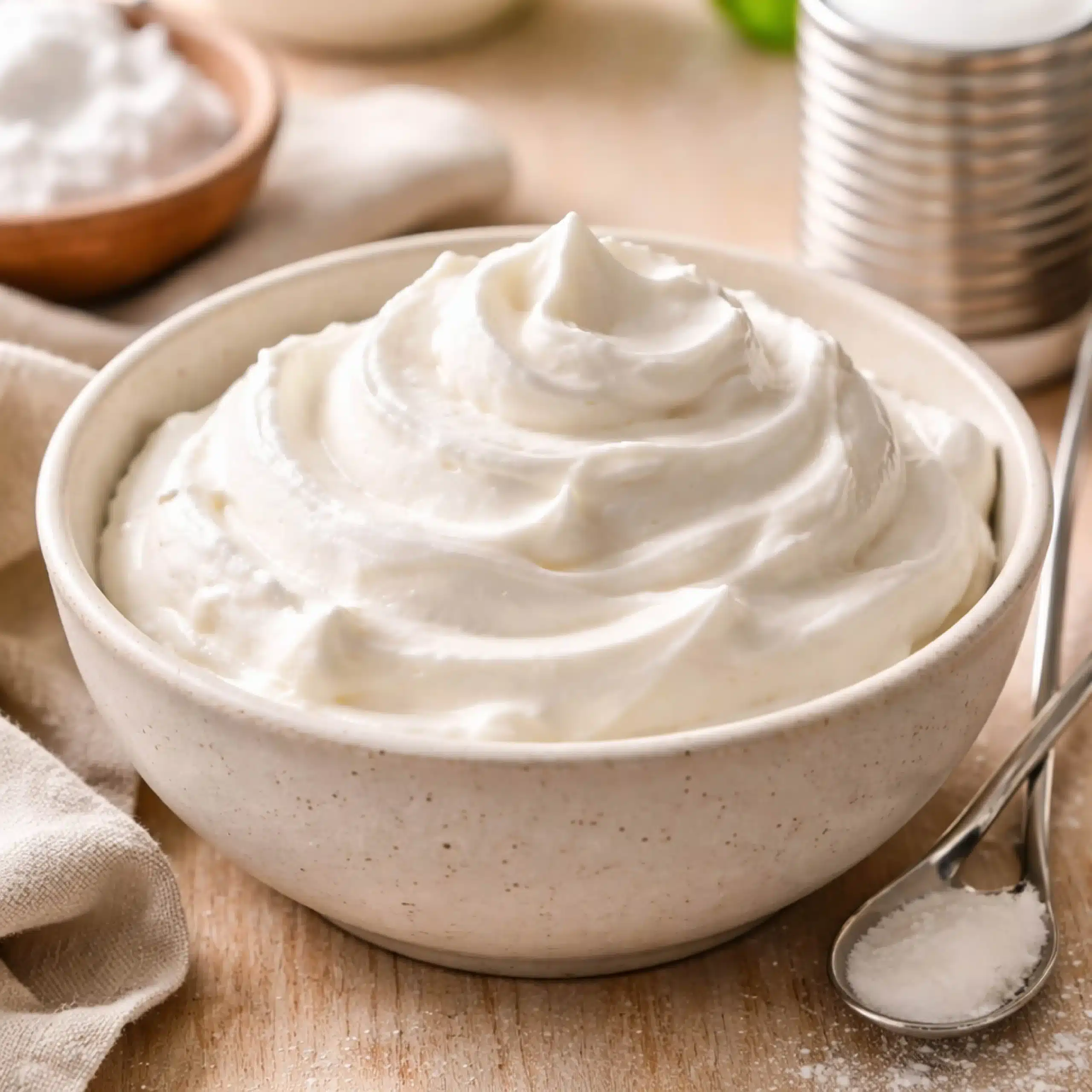
Coconut whipped cream first earned my trust on a chaotic afternoon when dinner was late, the kids were loud, and I just wanted a dessert that didn’t ask much of me. I remember standing in my kitchen, opening a chilled can, hoping it would behave, and feeling oddly calm when it finally whipped into soft peaks. That moment stuck. Coconut whipped cream still feels like that to me—simple, forgiving, and quietly reliable when everything else feels rushed.
Print
Coconut Whipped Cream
- Total Time: 8 hours 5 minutes
- Yield: About 2 cups
- Diet: Vegan
Description
Light, fluffy coconut whipped cream made from chilled coconut cream. This dairy-free topping is simple to prepare, gently sweetened, and perfect for cakes, cupcakes, and easy desserts.
Ingredients
1 can full-fat coconut cream, chilled overnight
2–3 tablespoons powdered sugar
1 teaspoon vanilla extract
(Do NOT combine lines — Rich Results prefer separation)
Instructions
Place the can of coconut cream in the refrigerator overnight to allow the cream to fully solidify.
Open the chilled can and scoop only the solid coconut cream into a mixing bowl, leaving the liquid behind.
Using a hand mixer or stand mixer, whip the coconut cream on medium speed until it begins to thicken.
Add the powdered sugar and vanilla extract.
Continue whipping just until soft peaks form, then stop to avoid over-whipping.
Notes
I usually stop whipping earlier than I think I should. Coconut whipped cream turns grainy quickly if it’s over-mixed, and stopping at soft peaks keeps the texture smooth and spreadable.
- Prep Time: 5 minutes
- Cook Time: 0 minutes
- Category: Dessert
- Method: Whipping
- Cuisine: American
Table of Contents
Coconut Whipped Cream Basics You Should Know
What coconut whipped cream really is
Coconut whipped cream is made from the thick, solid portion of full-fat coconut milk or coconut cream that’s been chilled and whipped until fluffy. That’s it. No cooking. No complicated ratios. When people say it’s tricky, it’s usually because one small detail was off.
The cream comes from the natural separation of coconut fat. When it’s cold, that fat firms up enough to trap air, just like dairy cream does. If it’s warm or diluted, it won’t whip. I’ve learned to respect that rule and not argue with it.
I like how this topping feels less fussy than buttercream. It spreads easily, it tastes clean, and it doesn’t overpower the cake underneath. I reach for it often when I’m baking lighter cakes or simple desserts that don’t need heavy frosting, especially when I don’t want something tangy like vegan cream cheese frosting.
Choosing the right can matters more than anything
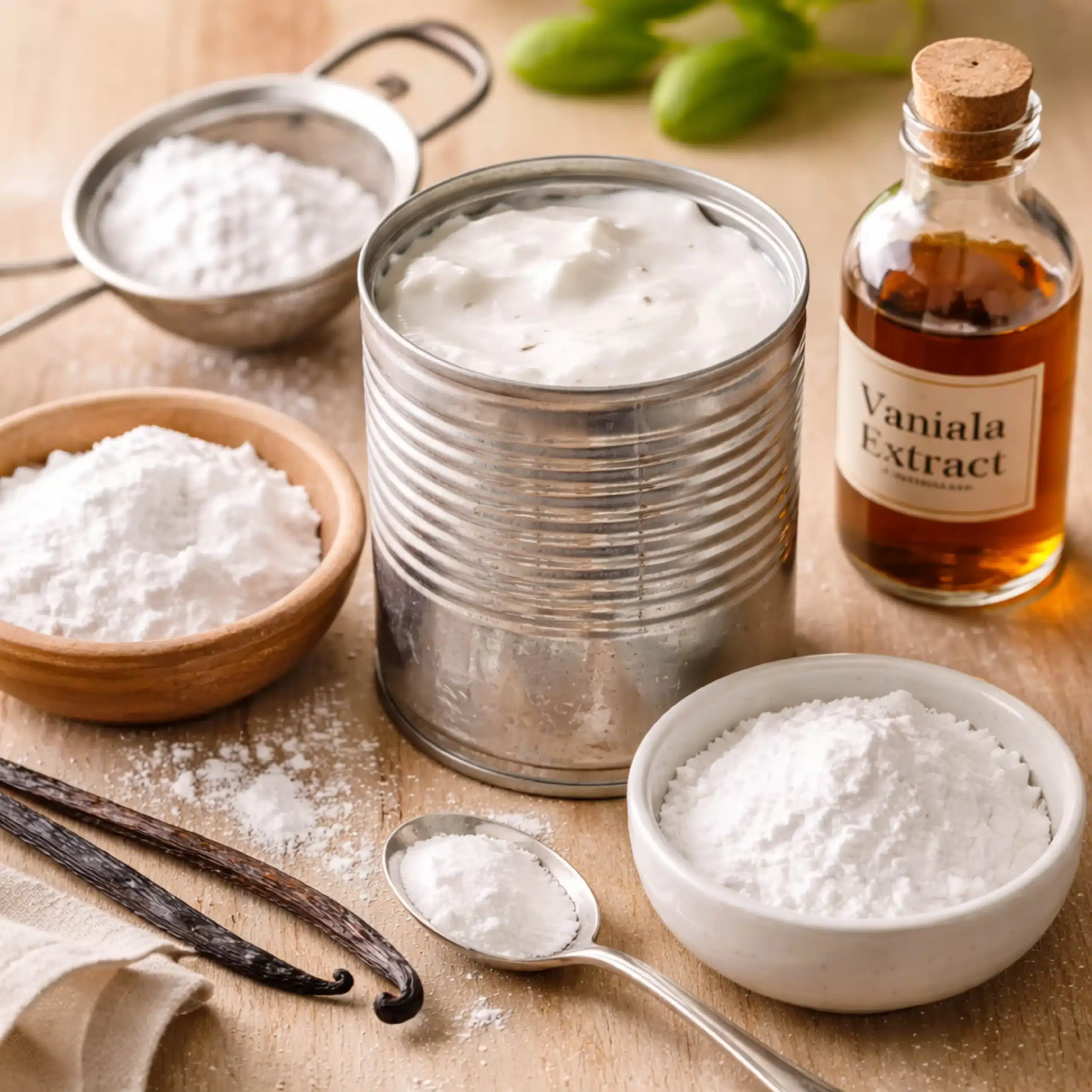
This part isn’t exciting, but it’s everything. You need full-fat coconut milk or coconut cream. Light versions won’t work. Shake nothing. Chill the can overnight. I don’t rush this anymore because rushing always backfires.
When you open the can, you should see a thick, solid layer on top. Scoop only that into your bowl and leave the liquid behind. I save the liquid for smoothies or pancake batter, but it has no place in whipped topping.
Some brands behave better than others because of stabilizers. If the cream looks loose or grainy straight from the can, I don’t even try. I’ve wasted enough time learning that lesson. Coconut whipped cream rewards patience, not optimism.
Making Coconut Whipped Cream the Right Way
How to whip coconut whipped cream successfully
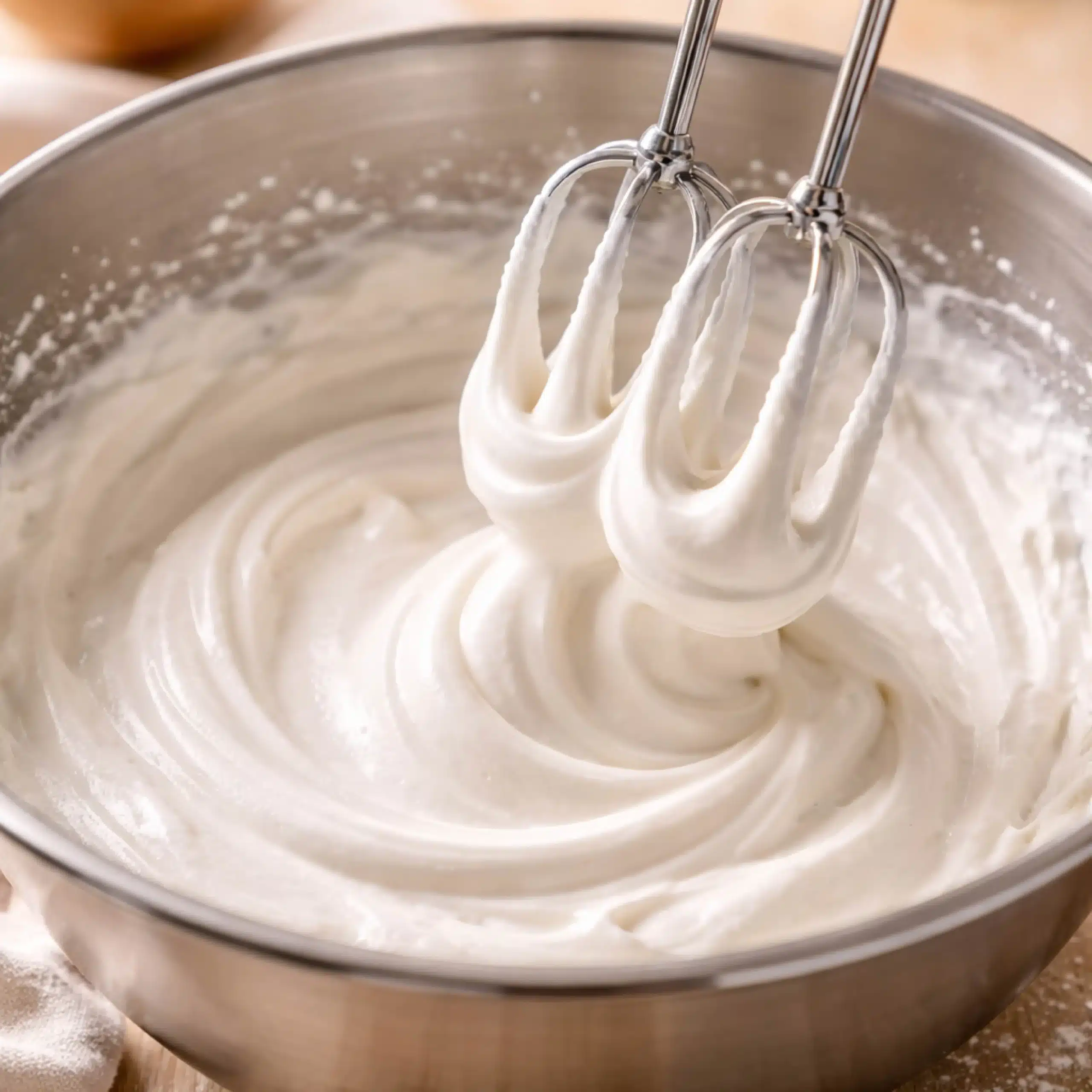
Once your coconut cream is cold and scooped, the rest is straightforward. Use a chilled bowl if your kitchen runs warm. Add the solid cream, then beat it on medium speed. High speed sounds tempting, but it breaks the structure too fast.
Within a minute or two, coconut whipped cream should start thickening. Soft peaks form first. I usually stop there for spreading and topping. If I need it firmer for piping, I go a little longer, watching closely. Over-whipping happens fast and there’s no real recovery once it turns grainy.
I sweeten lightly. Powdered sugar blends best and keeps the texture smooth. Maple syrup works too, but only in small amounts. Vanilla extract is optional, but I almost always add it because I like the warmth it brings.
This whipped topping works beautifully on chocolate cake, coconut cake, and simple vanilla layers. I’ve used it between cake layers and on cupcakes from my beginner cake recipes, and it always feels approachable, not precious.
Common mistakes that ruin the texture
The biggest mistake is starting with warm cream. Even slightly cool isn’t enough. Coconut whipped cream needs to be properly cold before whipping. Another mistake is adding liquid too early. Sweeteners should come after the cream starts holding air.
Over-mixing is the fastest way to mess things up. Once it looks thick and fluffy, stop. If you’re unsure, stop sooner. You can always whip more, but you can’t undo it once it breaks.
I’ll admit this freely. I’ve over-whipped it more times than I want to count. It’s frustrating, especially when you’re already tired. These days, I slow down and trust my eyes instead of the timer. On days when I don’t want to think this hard, I’ll just bake a buttercream cake and call it done.
Flavor, Texture, and When It Shines Most
How coconut whipped cream tastes in real desserts
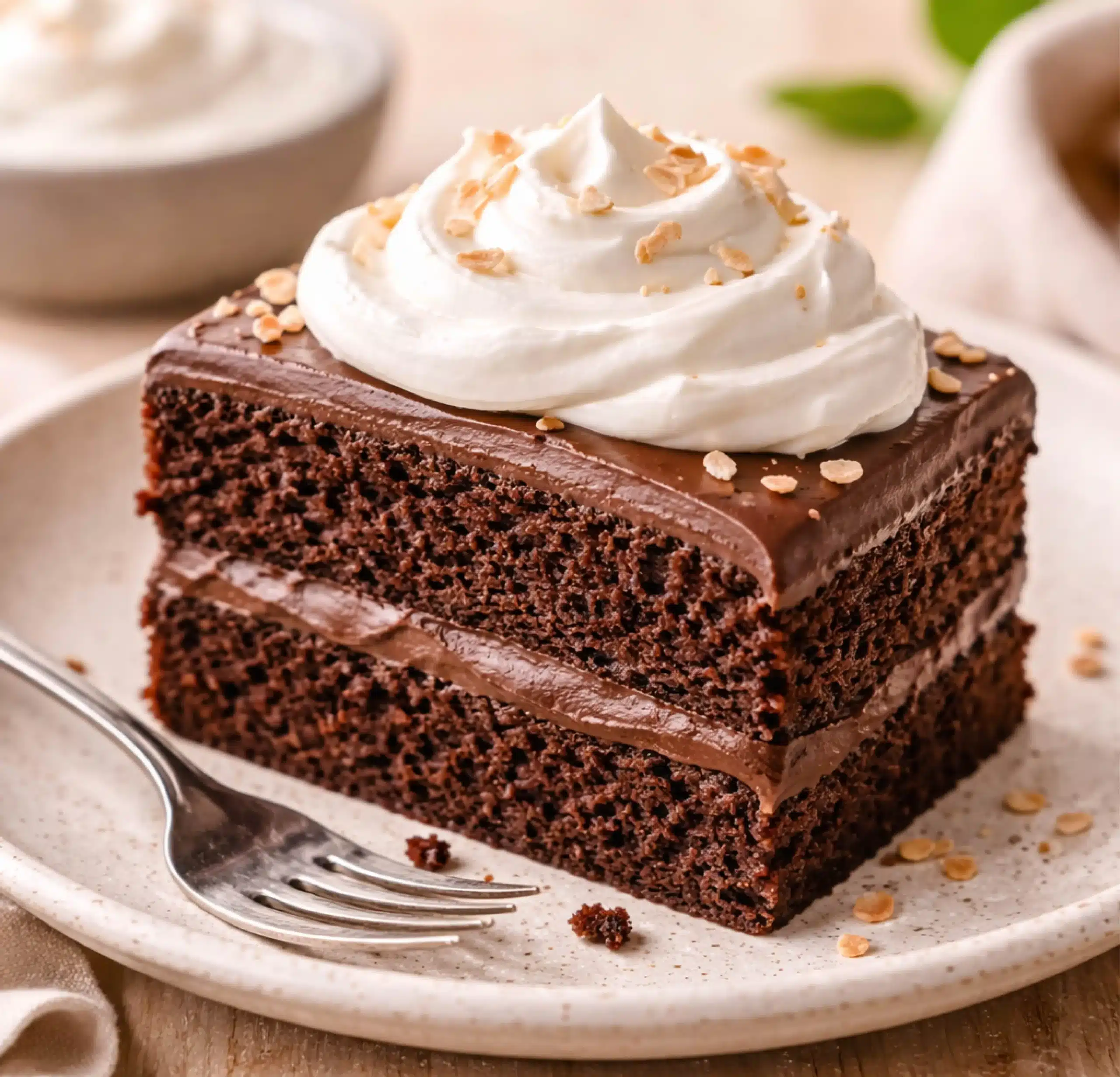
Coconut whipped cream always carries a light coconut flavor. It’s not overpowering, but it’s there. I actually like that honesty. It pairs beautifully with chocolate cakes, fruit-based desserts, and anything vanilla-forward, especially when layered alongside something richer like pistachio cream. Those flavors welcome the coconut instead of fighting it.
Where I hesitate is with very delicate cakes. Something like a subtle almond or plain sponge can get overshadowed. In those cases, I pause and decide if the coconut note adds warmth or distracts from what I want the cake to be. When I want something warmer and more indulgent, I usually reach for brown sugar frosting instead.
Texture-wise, coconut whipped cream feels softer on the palate. It melts a bit faster than dairy whipped cream, especially at room temperature. I don’t see that as a flaw. I see it as part of its personality. It feels casual. Relaxed.
How long coconut whipped cream holds up
Coconut whipped cream holds its shape well when chilled. I’ve frosted cakes a few hours ahead, kept them refrigerated, and served them without any stress. For best results, I don’t leave it sitting out longer than needed.
If I’m making dessert ahead, I whip it the same day I plan to serve. You can store it covered in the fridge for a short time, but it’s freshest within 24 hours. After that, it can lose some air and look a little tired.
I don’t mind that limitation. Not everything needs to be made days in advance. Sometimes baking closer to serving feels calmer, not harder.
Storing and Making Coconut Whipped Cream Ahead
How to store coconut whipped cream
Coconut whipped cream needs cold to stay happy. Once it’s whipped, transfer it to an airtight container and keep it in the refrigerator. It holds its shape best within the first 24 hours. After that, it’s still usable, but the texture softens and the air slowly fades.
If it separates slightly, a gentle hand-whisk can bring it back. I don’t re-whip with a mixer at that point. That usually makes things worse. Slow and patient works better here.
On frosted cakes, I always refrigerate until close to serving. Coconut whipped cream doesn’t love long stretches at room temperature. I plan around that instead of fighting it. It’s easier.
Make-ahead tips that actually help
I don’t recommend whipping it days in advance. It’s one of those things that behaves best when it’s fresh. If I’m trying to get ahead, I chill the cans early and prep everything else instead.
Sometimes I’ll whip coconut whipped cream in the morning for an evening dessert. That timing feels safe. I wouldn’t push it much further unless I had no choice.
This topping teaches patience. Not perfection. I’m fine with that.
Coconut Whipped Cream FAQs
Can coconut cream be whipped?
Yes, coconut cream can be whipped as long as it’s full-fat and properly chilled. The thick, solid portion is what traps air. If the can hasn’t been cold long enough, it won’t work.
Is coconut whipped cream healthier than whipped cream?
Coconut whipped cream is dairy-free and plant-based, which matters for some people. Nutritionally, it’s still high in fat. I usually think of it as an alternative, not a healthier version. I choose based on the dessert and who I’m serving.
Can coconut cream be used instead of whipping cream?
Coconut cream works well as a replacement in cold applications like frosting, fillings, and toppings. I don’t use it in cooked recipes that rely on whipping cream. It’s a situational swap, not a universal one.
Why is coconut cream not whipping?
Most of the time, it’s too warm or too diluted. The can needs to be chilled overnight, and only the solid cream should be whipped. Stabilizers in some brands can also prevent proper whipping.
A Simple Ending Before You Bake
Coconut whipped cream has earned its place in my kitchen because it feels calm, not demanding. It’s the kind of recipe that meets you where you are, even on tired days. If you try it and love it, I’d genuinely enjoy staying connected. You can find more quiet baking moments and behind-the-scenes kitchen life over on Facebook and save quick dessert ideas on Pinterest for later. Baking doesn’t have to be complicated to be meaningful. Sometimes simple really is enough.