
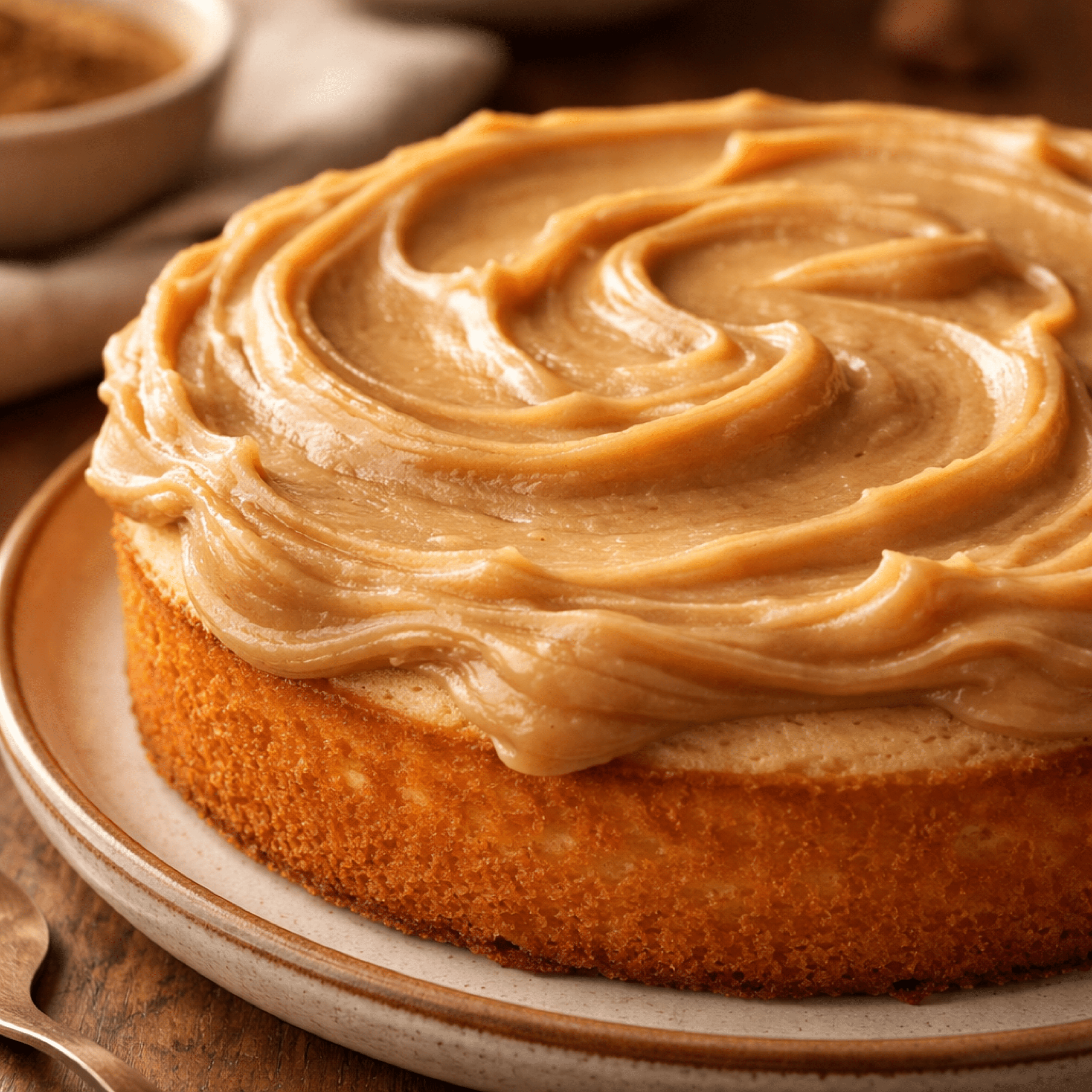
I’ll never forget the day I made brown sugar frosting, it was late, the kitchen was quiet, and my kids were finally asleep. I remember standing there, wooden spoon in hand, thinking about my grandmother’s kitchen and how everything she made felt calm. No rush. No perfection. Just warmth. That frosting wasn’t fancy. It was a little glossy. A little soft. But it tasted like comfort. I didn’t write anything down that night. I didn’t need to. Some things stick with you because of how they feel, not how precise they are.
Baking like that still matters to me. Especially now.
Table of Contents
Brown Sugar Frosting Basics You Actually Need
Brown sugar frosting isn’t complicated, but it does behave differently than the white-sugar versions most of us grew up making. It’s softer. Warmer. Less sharp. That’s a good thing.
What Makes Brown Sugar Frosting Different
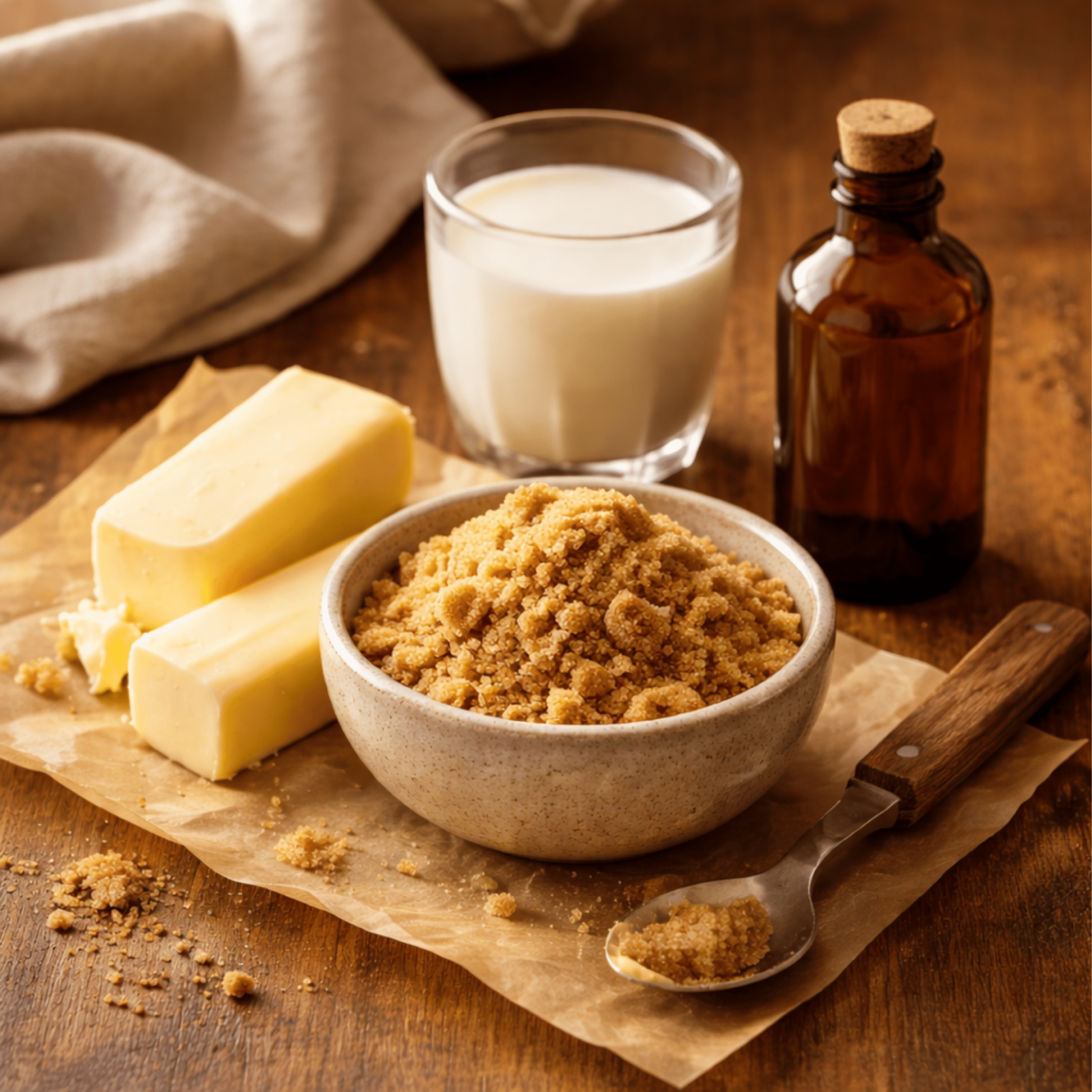
Brown sugar contains molasses. That’s the whole secret. That little bit of molasses changes everything — flavor, color, texture. It gives the frosting a deeper sweetness that feels rounded instead of loud.
I’ll say this plainly. I prefer it.
Not for every cake. But when it fits, it really fits.
Here’s how it compares at a glance:
| Frosting Base | Flavor | Texture | Best Use |
|---|---|---|---|
| White sugar | Clean, sweet | Light, fluffy | Classic layer cakes |
| Brown sugar | Warm, caramel-like | Soft, creamy | Snack cakes, spice cakes |
Brown sugar frosting shines on simple cakes. Think one-layer bakes or sheet cakes from the /layer-cakes/ section. It doesn’t need a spotlight.
When Brown Sugar Frosting Works Best
This frosting loves cozy flavors. Vanilla. Cinnamon. Banana. Apple. I use it often when I bake from my /chocolate-cakes/ stash because it balances cocoa beautifully.
It also forgives a lot. Overmix it slightly? Still fine. Spread it warm? It settles on its own.
That matters on busy days.
One honest opinion. I don’t use brown sugar frosting for fancy piping. It’s not built for that. I save it for nights when I want a cake on the table, not a photo shoot.
Sometimes baking is just that.
Using Brown Sugar Instead of White Sugar in Frosting
Switching sugars in frosting sounds simple, but it changes more than people expect. Brown sugar melts differently. It holds moisture. It doesn’t just sweeten — it softens everything around it.
That’s why some frostings feel gritty when you rush them. Brown sugar needs patience. A little heat. A little trust.
I learned that the hard way.
Can You Swap Brown Sugar for White Sugar?
Yes. But not always one-to-one. Granulated white sugar dissolves cleanly. Brown sugar clumps. Those clumps matter.
Here’s what usually works in a home kitchen:
| Swap Situation | Adjustment Needed | Why |
|---|---|---|
| White → brown sugar | Add gentle heat | Helps dissolve molasses |
| Cold mixing | Avoid | Causes grainy texture |
| Butter-only base | Risky | Sugar won’t fully melt |
If you’ve ever tasted frosting that felt sandy, this is why. It wasn’t ruined. It just needed more time.
I usually melt the sugar with butter first. Always. I don’t skip that step anymore.
Flavor Changes You Should Expect
Using brown sugar gives you a deeper sweetness. Less sharp. Almost caramel-like. The color darkens too. Don’t fight that. It’s part of the charm.
This style pairs beautifully with spice cakes and anything cozy from the /frostings/ category. It even works on quick weeknight bakes when you don’t want to pull out powdered sugar.
A quiet thought. Sometimes darker frosting feels more honest. Less polished. More real.
I reach for it when I’m baking for people I love.
Making Brown Sugar Frosting Without Powdered Sugar
Yes, you can make brown sugar frosting without powdered sugar. I do it more often than I admit. Mostly because I forget I’m out of powdered sugar. Or I don’t feel like dealing with the dust. Both are valid reasons.
This version relies on heat. Not whipping.
How It Thickens Without Powdered Sugar
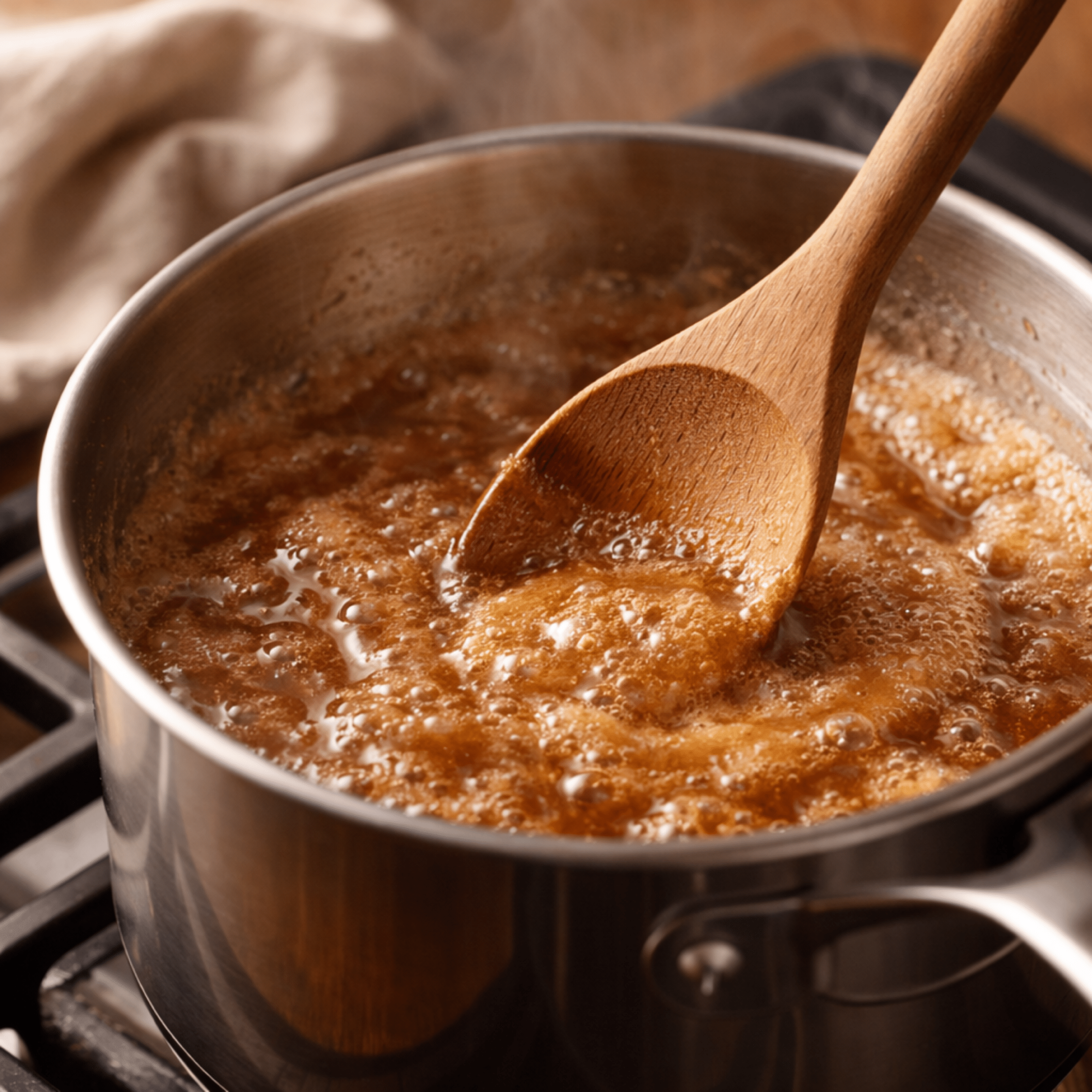
When brown sugar heats with butter and milk, it dissolves completely. Then it thickens as it cools. That cooling part matters. If you rush it, the frosting stays thin. If you wait, it firms up just enough to spread.
No magic. Just timing.
Here’s the general behavior:
| Stage | Texture | What to Do |
|---|---|---|
| Hot | Very thin | Remove from heat |
| Warm | Spoonable | Stir occasionally |
| Cool | Spreadable | Frost cake |
I don’t test temperature. I watch the spoon. When it coats the back and holds a line for a second, it’s ready.
When This Version Works Best
This frosting loves simple cakes. Snack cakes. One-pan bakes. Anything from /layer-cakes/ that doesn’t need structure.
Blunt truth. It’s not fluffy. It’s glossy and smooth. That’s the point.
I actually like it better this way sometimes. Less sweet. More flavor.
Some days, that’s exactly enough.
Simple Brown Sugar Boiled Icing (Old-Fashioned Style)
This is the version my grandmother would’ve recognized right away. A saucepan. A wooden spoon. No mixer humming in the background. Just brown sugar frosting made the slow way.
Boiled icing sounds fussy, but it isn’t. It’s actually one of the most forgiving frostings I make. You cook it. You wait. You pour or spread. Done.
How to Make a Simple Brown Sugar Boiled Icing
At its core, this frosting is just brown sugar, butter, and milk. Sometimes a splash of vanilla at the end. You bring everything to a gentle boil, stir until smooth, then pull it off the heat.
That’s it.
No whipping. No powdered sugar. No panic.
The key is not overboiling. Once it smells slightly caramel-like and looks glossy, you’re there. If you keep going, it thickens too much. If that happens, I add a tablespoon of milk and move on.
It’s not fragile.
Best Cakes for Boiled Brown Sugar Frosting
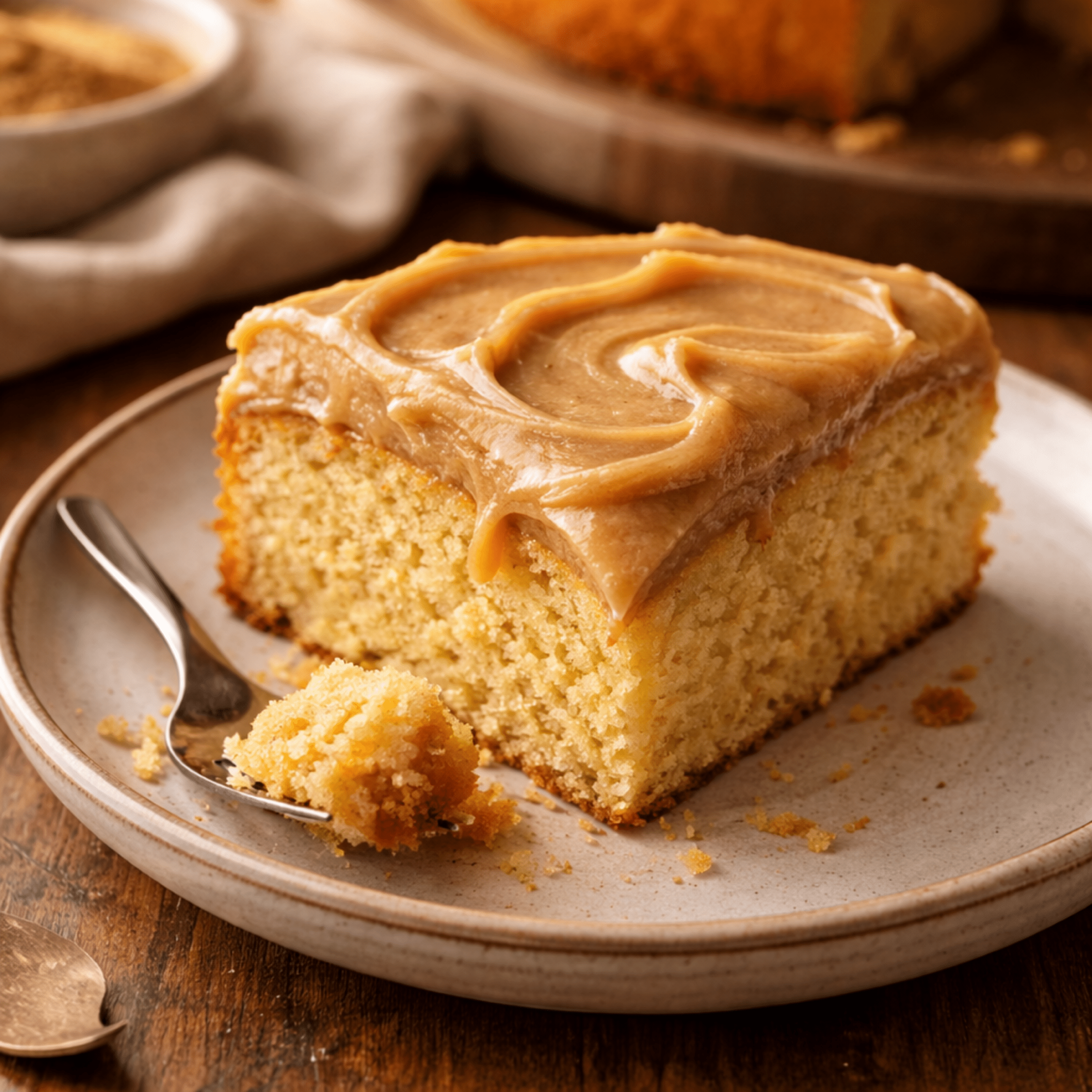
This icing shines when it can drip a little. Sink into the cake. I love it on:
- Vanilla sheet cakes
- Banana bread-style cakes
- Simple chocolate cakes from /chocolate-cakes/
One personal opinion. I don’t wait for the cake to cool completely. Warm cake plus warm frosting feels right.
A small reflection. Some frostings feel like decoration. This one feels like part of the cake.
It doesn’t sit on top. It belongs there.
That’s the kind of baking I keep coming back to.
FAQs About Brown Sugar Frosting
Can you make frosting from brown sugar?
Yes, you can. Brown sugar melts beautifully when paired with butter and a little milk or cream. That’s the base of most brown sugar frosting recipes. The key is gentle heat so the sugar dissolves fully. Once it cools, it thickens into a smooth, spreadable frosting that tastes warm and comforting.
Can I use brown sugar instead of white sugar for frosting?
You can, but expect changes. Brown sugar brings moisture and a deeper flavor because of the molasses. I usually melt it first instead of mixing it cold. That step prevents graininess and gives brown sugar frosting its signature soft texture. Skipping the heat almost always causes problems.
Can you make frosting with brown sugar without powdered sugar?
Absolutely. I usually do. This style relies on cooking the sugar instead of whipping it. As the mixture cools, it firms up naturally. Brown sugar frosting without powdered sugar won’t be fluffy, but it spreads easily and tastes less sweet. Some days, that’s exactly what I want.
How do you make simple brown sugar boiled icing?
You boil brown sugar, butter, and milk together for a few minutes until smooth and glossy, then let it cool slightly. I usually stir in vanilla at the end. The icing thickens as it rests. If it gets too thick, I add a splash of milk and keep going. It’s forgiving. Very forgiving.
Brown Sugar Frosting
- Total Time: 15 minutes
- Yield: Enough frosting for 1 single-layer cake or 12 cupcakes
Description
This brown sugar frosting is rich, smooth, and comforting, made the old-fashioned way on the stovetop. No powdered sugar, no mixer — just simple pantry ingredients and a cozy caramel-like flavor that settles beautifully over warm cakes.
Ingredients
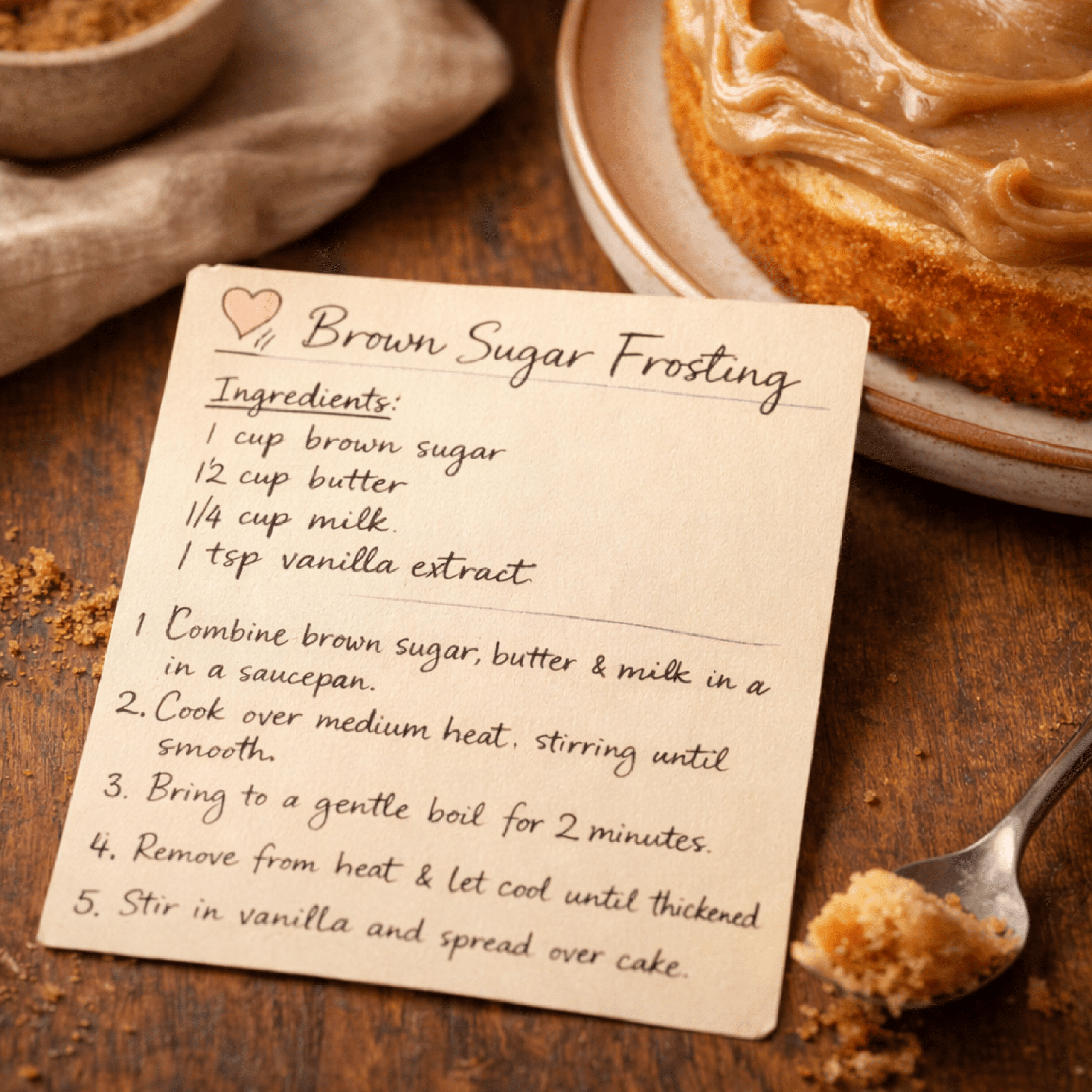
1 cup packed brown sugar
½ cup butter
¼ cup milk
1 teaspoon vanilla extract
Instructions
Add the brown sugar, butter, and milk to a medium saucepan.
Place over medium heat and stir until the butter melts and the sugar fully dissolves.
Bring the mixture to a gentle boil and cook for 2 minutes, stirring constantly.
Remove from heat and let the frosting cool, stirring occasionally as it thickens.
Stir in the vanilla extract.
Spread over warm or room-temperature cake.
Notes
- Frosting thickens as it cools — wait before spreading.
- If it becomes too thick, stir in 1 tablespoon of milk to loosen.
- Best used the same day for the smoothest texture.
- Prep Time: 5 minutes
- Cook Time: 10 minutes
- Category: Frosting
- Method: Stovetop
- Cuisine: American
A Cozy Ending From My Kitchen to Yours
Brown sugar frosting reminds me why I bake in the first place. Not for perfection. Not for compliments. But for that quiet moment when a warm cake hits the table and everyone relaxes a little. That’s how PinkHeartCake started. One home kitchen. One tired baker. One simple frosting that worked.
If you try this and it’s not flawless, that’s okay. You’re doing it right.
Follow PinkHeartCake on Facebook
Save your favorite recipes on Pinterest
You deserve baking that feels gentle. And doable.