
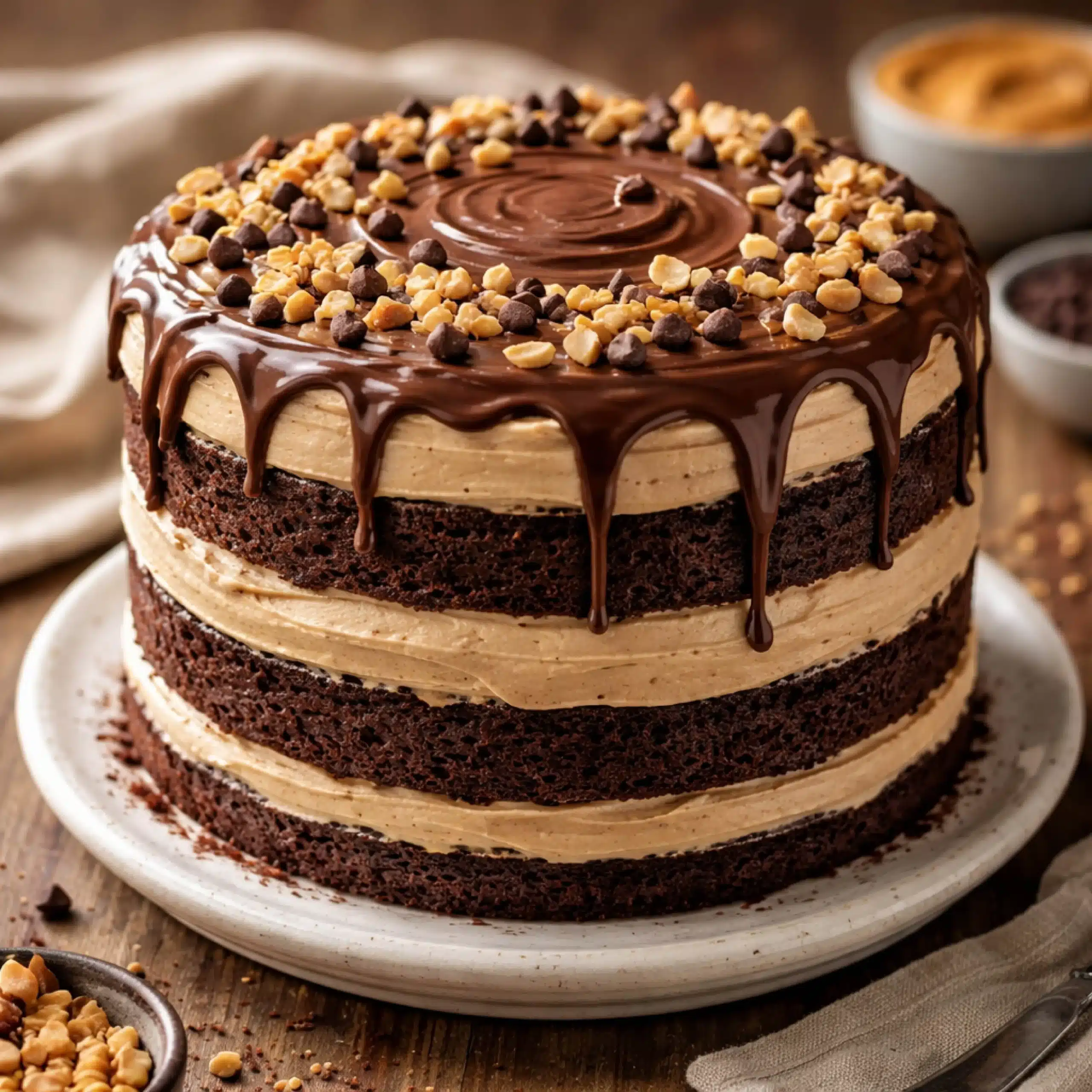
Baking a chocolate peanut butter cake has always felt like one of those quiet kitchen choices that somehow turns into a moment I remember later. I first made this on a long afternoon when nothing felt finished and the sink was already full. Peanut butter was open on the counter, chocolate seemed inevitable, and I didn’t overthink it. As the batter came together, I thought about my grandmother’s kitchen, where cakes were mixed by feel and nobody rushed the oven. That same calm shows up every time I bake this now. A chocolate peanut butter cake doesn’t demand attention. It just settles in and makes the day softer.
Print
Chocolate Peanut Butter Cake
- Total Time: 1 hour
- Yield: 1 two-layer 9-inch cake Serves 10–12
Description
This chocolate peanut butter cake is soft, rich, and made for real home kitchens. With moist chocolate layers and creamy peanut butter frosting, it’s comforting without being complicated. Perfect for when you want a reliable cake that feels homemade and familiar.
Ingredients
Chocolate Cake
2 cups all-purpose flour
1 ¾ cups granulated sugar
¾ cup unsweetened cocoa powder
2 tsp baking soda
1 tsp salt
1 cup buttermilk
½ cup neutral oil
2 large eggs
2 tsp vanilla extract
¾ cup hot water or hot coffee
Peanut Butter Frosting
1 cup creamy peanut butter
½ cup unsalted butter, softened
2½ cups powdered sugar
2–4 tbsp milk or cream
1 tsp vanilla extract
Pinch of salt
Optional Topping
Chocolate ganache or melted chocolate
Chopped peanuts or chocolate chips
Instructions
Preheat oven to 350°F. Grease and line two 9-inch round cake pans.
In a large bowl, whisk together flour, sugar, cocoa powder, baking soda, and salt.
Add buttermilk, oil, eggs, and vanilla. Mix just until combined.
Slowly stir in hot water or coffee until the batter is smooth.
Divide batter evenly between pans.
Bake for 30–35 minutes, or until centers are set but still soft.
Cool cakes in pans for 10 minutes, then transfer to a rack to cool completely.
For frosting, beat peanut butter and butter until smooth.
Add powdered sugar, vanilla, salt, and milk until spreadable.
Frost cooled cake layers with a thin layer between and a light coat outside.
Add chocolate drizzle or toppings if desired.
Notes
Don’t overmix the batter or the cake can turn dense.
Let layers cool fully before frosting to prevent sliding.
This cake tastes even better the next day once flavors settle.
- Prep Time: 25 minutes
- Cook Time: 35 minutes
Table of Contents
Chocolate Peanut Butter Cake Basics for Home Bakers
Why This Flavor Combination Always Works
There’s something dependable about a chocolate peanut butter cake. It never feels flashy, but it never disappoints either. Chocolate brings depth and a little bitterness, especially in richer bakes like this chocolate fudge cake. Peanut butter adds salt, richness, and warmth. Together, they balance without either one trying to steal the spotlight.
I’ve baked versions where one flavor dominates, and they’re fine. But they’re forgettable. The best chocolate peanut butter cake lets the chocolate hit first, then lets the peanut butter linger. That order matters more than people think.
This pairing is also forgiving. Slightly uneven layers still taste right. Minor cracks disappear under frosting. I like desserts that don’t punish you for being distracted or tired.
Some days, this is the cake I bake because I don’t want to make decisions.
Ingredients That Set You Up for Success
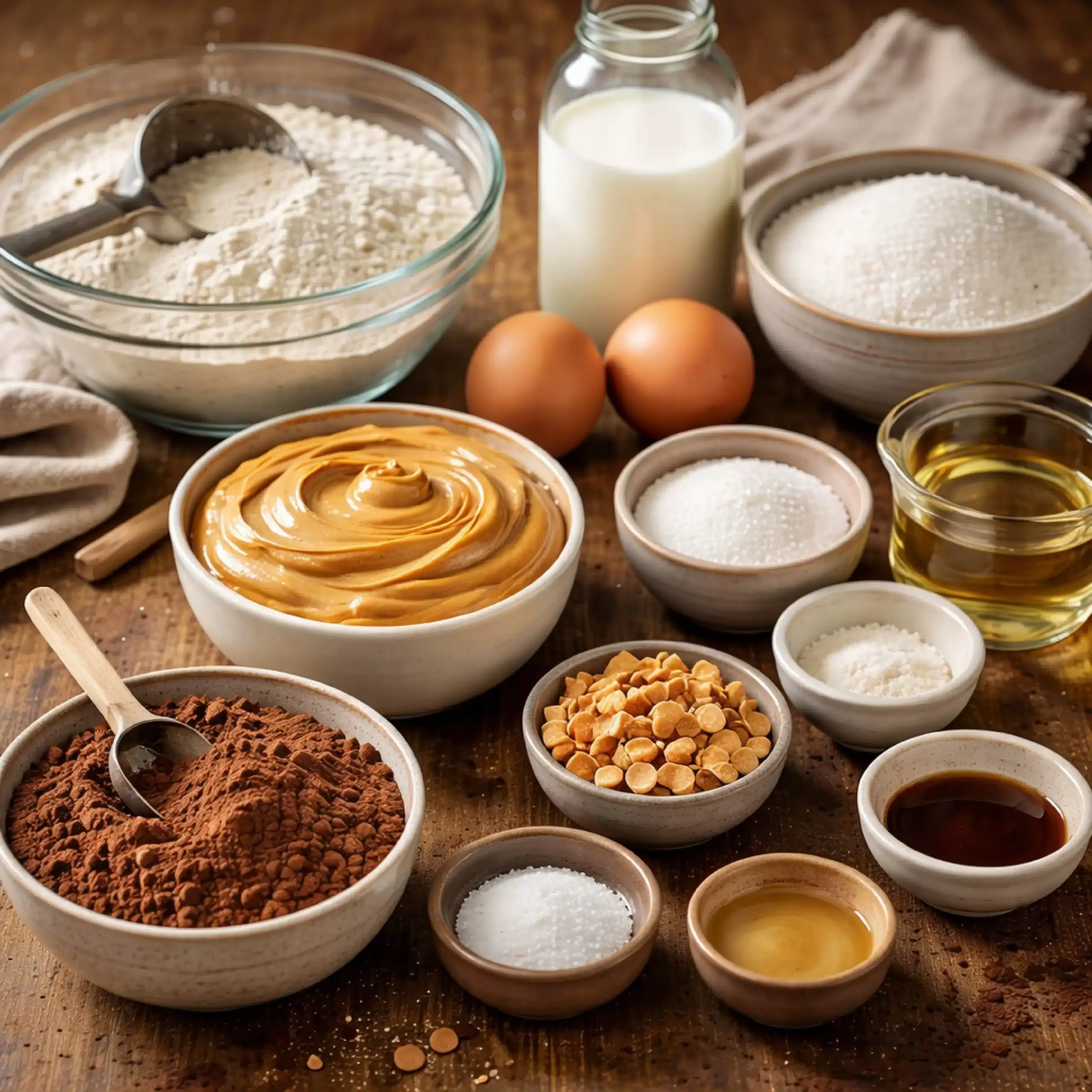
A good chocolate peanut butter cake starts with choosing ingredients that behave well together. Oil works better than butter in the cake layers, even more so than what I usually use in a classic buttercream cake. It keeps the crumb soft even after the cake cools. For peanut butter, regular creamy works best. The natural kind sounds appealing, but it makes the texture unpredictable.
Buttermilk or sour cream adds tenderness without weighing the cake down. Cocoa powder needs that extra moisture to stay smooth. And salt matters here. Peanut butter relies on it, and chocolate needs it too.
Sometimes I add a little more peanut butter than planned because I like the flavor stronger. No real justification. Just preference.
Building the Cake Without Overcomplicating It
Mixing With Intention, Not Perfection
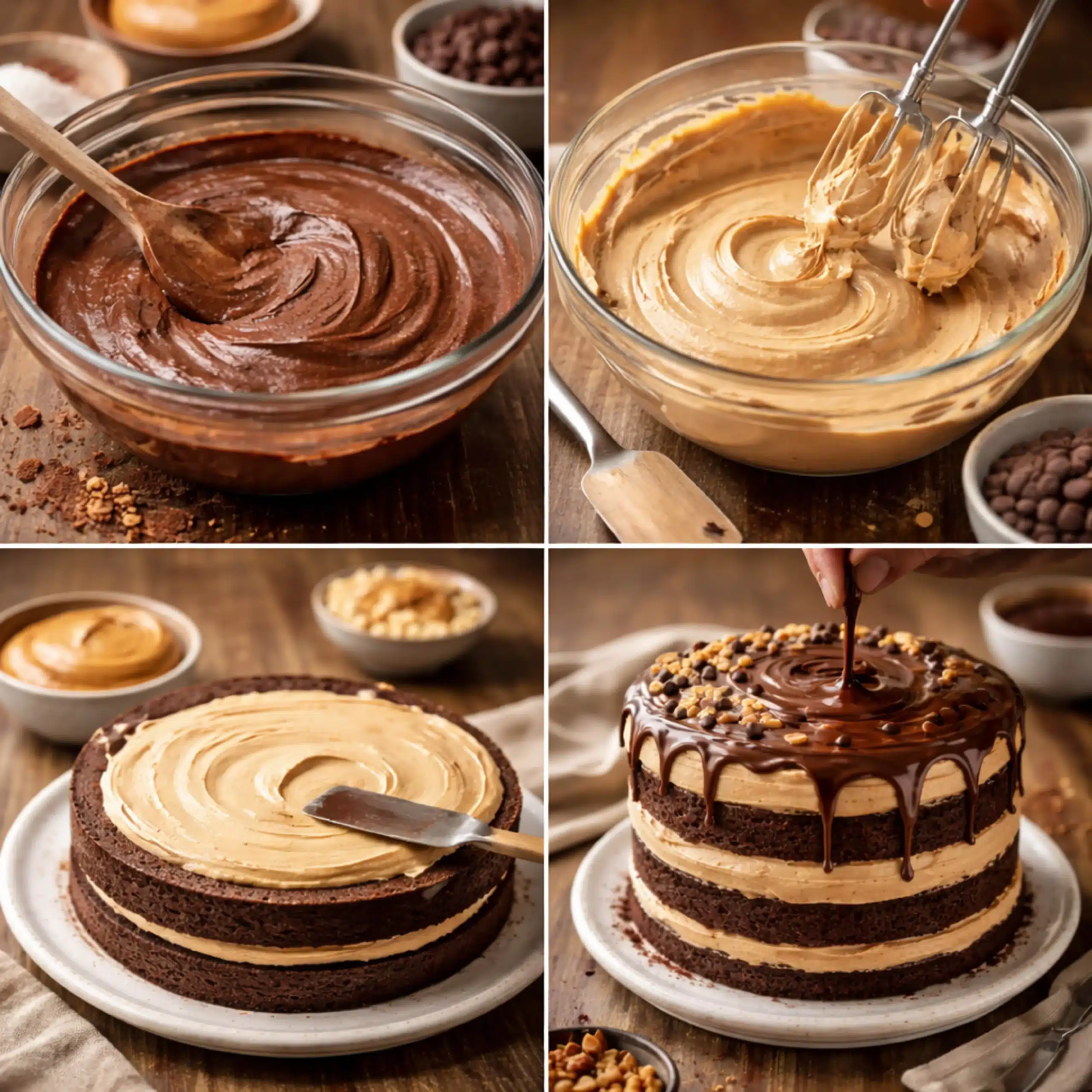
When I make a chocolate peanut butter cake, I pay more attention to the order of steps than the speed. I start with the chocolate batter and let it sit while I prep everything else. That short rest gives the cocoa time to bloom and deepen. It’s subtle, but the flavor feels fuller.
Peanut butter needs a little help before it goes into anything. Cold peanut butter doesn’t blend well, especially into thick batter. I warm it just until it loosens. Not melted. Just soft enough to stir easily. This keeps the texture even and avoids dense pockets.
Once everything comes together, I stop mixing early. Overmixing ruins more cakes than underbaking ever has in my kitchen. If the batter looks combined, it’s done.
Baking and Cooling Without Rushing
Ovens don’t agree with recipes, so I don’t chase exact times. I start checking early and trust how the cake looks and feels. A chocolate peanut butter cake should look set but still feel soft in the center when lightly pressed.
Cooling matters more than people think. Warm layers fall apart when frosted. I wait, even when I don’t want to. Sometimes I walk away.
This cake usually tastes better the next day. The chocolate settles. The peanut butter mellows. I plan for that when I can.
Letting Peanut Butter Show Up the Right Way
Working Peanut Butter Into the Batter Gently
When peanut butter goes straight into cake batter without thought, it tends to take over. For a chocolate peanut butter cake, I like the flavor clear but not heavy. The way you introduce it makes the difference.
I usually soften the peanut butter first, then mix it with a small scoop of prepared batter in a separate bowl. That step smooths it out and helps it blend evenly later. Once it’s loose and uniform, I fold it back into the main bowl. The batter stays cohesive, and the cake bakes evenly.
Skipping this step leads to thick streaks that sink. I’ve done it. The flavor’s still fine, but the texture suffers. Peanut butter needs to be eased in, not forced.
Small Adjustments That Keep the Texture Right
Peanut butter adds fat and density, which means balance matters. A little extra liquid helps. Sometimes it’s a splash of milk. Sometimes it’s just not overbaking. I don’t overcorrect.
This cake isn’t meant to be airy. A chocolate peanut butter cake should feel rich but soft, sturdy without being dry. If the crumb feels slightly tighter than a plain chocolate cake, that’s expected.
Some days I swirl a little peanut butter through the top layer just because I like how it looks. Other days I skip it. Depends on my mood. Depends on how much time I have.
Finishing the Cake in a Way That Feels Right
Frosting Choices That Don’t Fight the Cake
By the time I’m frosting a chocolate peanut butter cake, I’m usually done trying to impress anyone. This is where things get simple. A peanut butter frosting works best when it’s soft and spreadable, not stiff like some powdered sugar frosting styles. Too much structure makes the cake feel heavy.
I spread a thin layer between the cakes and don’t overthink it. Thick filling sounds nice in theory, but it pushes the layers around. Thin stays put. For the outside, I go easy. Enough frosting to coat, not so much that it becomes the main event.
Sometimes I add a light chocolate drizzle, similar to what I love on a chocolate ganache cake. Sometimes I don’t. I decide halfway through and live with it. That’s usually how this cake goes.
Serving, Storing, and Letting It Be Imperfect
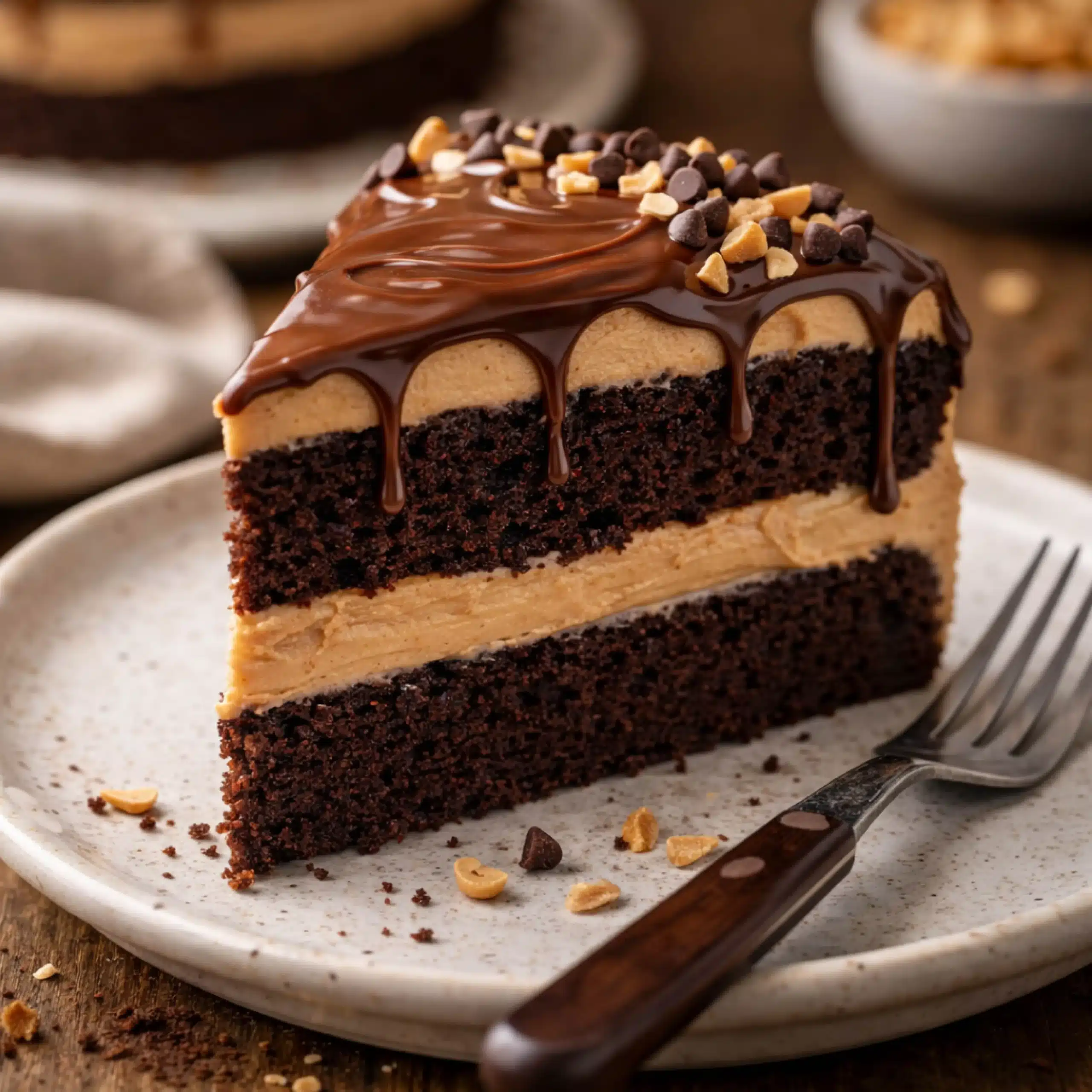
This cake doesn’t need special treatment once it’s done. I keep it covered at room temperature for a day, sometimes two. After that, it goes in the fridge. I let slices come back to room temp before serving. Cold dulls the flavor, especially compared to cakes with brighter notes like this chocolate raspberry cake.
A chocolate peanut butter cake doesn’t need clean slices to taste good. Crumbs happen. Frosting smears. Nobody’s ever complained.
I actually like this cake best when it’s a little uneven. It feels homemade in the right way. Comfortable. Finished enough.
Frequently Asked Questions
How do you add peanut butter to chocolate cake mix?
I usually soften the peanut butter first, then mix it with a small scoop of prepared batter in a separate bowl. Once it’s smooth, I fold it back in. This keeps the texture even and prevents heavy spots from sinking.
How do you make a chocolate peanut butter cake from scratch?
A chocolate peanut butter cake starts with a moist chocolate base, then peanut butter is added either into the batter, the frosting, or both. The key is balance. Too much peanut butter can weigh things down, so I prefer layering the flavor instead of forcing it all into one step.
Can you add peanut butter directly to chocolate cake batter?
Yes, but it works best when the peanut butter is softened and blended gently. Straight-from-the-jar peanut butter can clump and affect the crumb.
Conclusion
This cake has a way of showing up when you need something steady. A chocolate peanut butter cake doesn’t ask for perfect timing or fancy tools. It just asks you to slow down and bake. If you end up making it a little uneven or a little extra rich, that’s fine. That’s real life baking. If you enjoyed this recipe, I’d love for you to follow along on my Facebook page and save ideas on Pinterest too. That’s where I share the everyday stuff.