
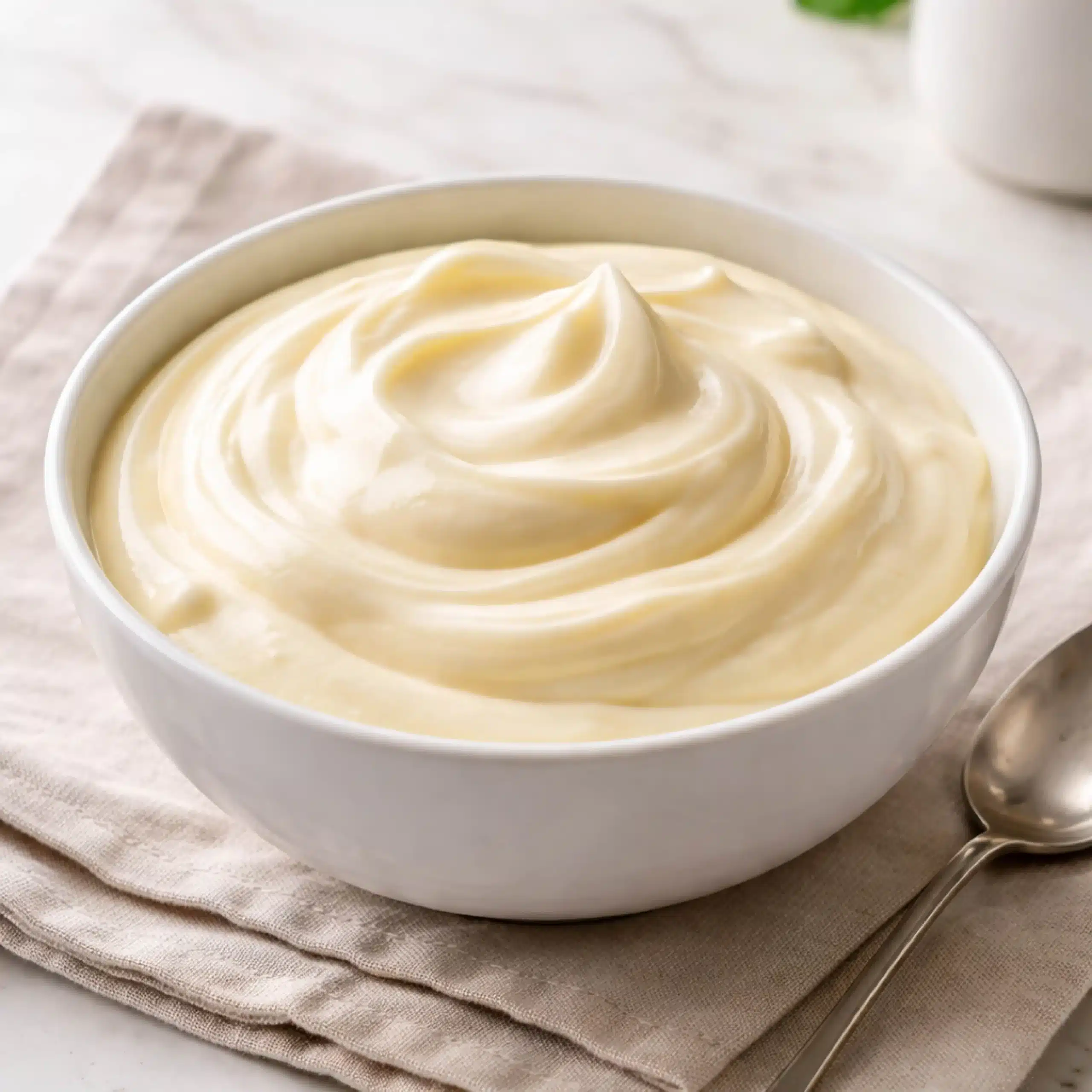
Bavarian cream filling is one of those recipes that always reminds me why I started baking in the first place. Years ago, when my kitchen felt crowded with homework papers and half-finished laundry, I made this filling late one evening just to feel steady again. The milk warmed quietly on the stove. The house finally felt still. My grandmother used to say custards teach patience, and she wasn’t wrong. Even now, making this filling slows me down in the best way. I don’t rush it. I don’t multitask. I just stand there, stirring, breathing, remembering why simple desserts matter.
Print
Bavarian Cream Filling
- Total Time: 1 hour 30 minutes
- Yield: Enough to fill one 8-inch layer cake or 10–12 donuts
Description
A classic Bavarian cream filling made with a smooth custard base and gently folded whipped cream. Light, creamy, and softly set, this filling works beautifully for cakes, donuts, and pastries.
Ingredients
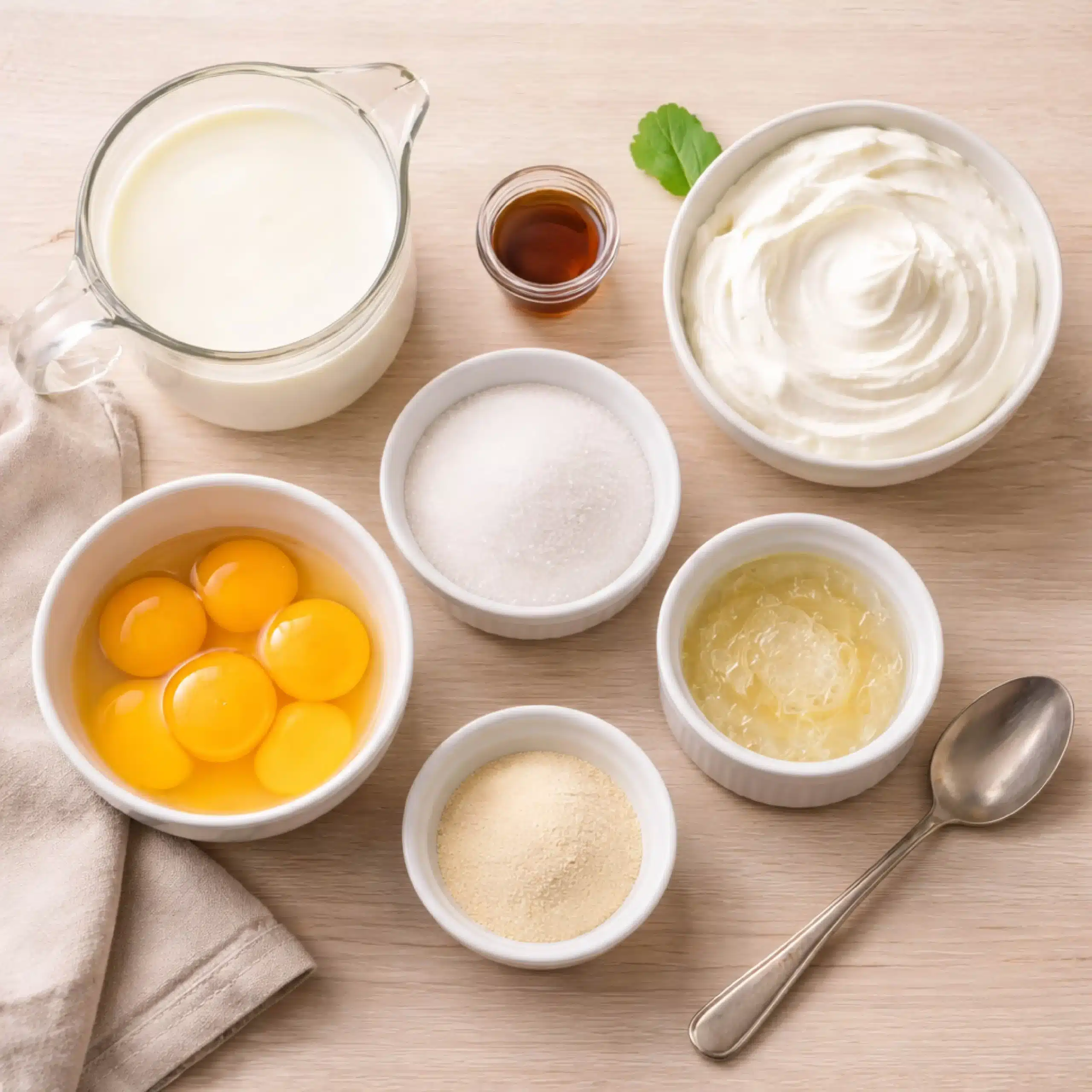
2 cups whole milk
4 large egg yolks
½ cup granulated sugar
1 tablespoon unflavored gelatin
3 tablespoons cold water
1 cup heavy whipping cream
1 teaspoon vanilla extract
Instructions
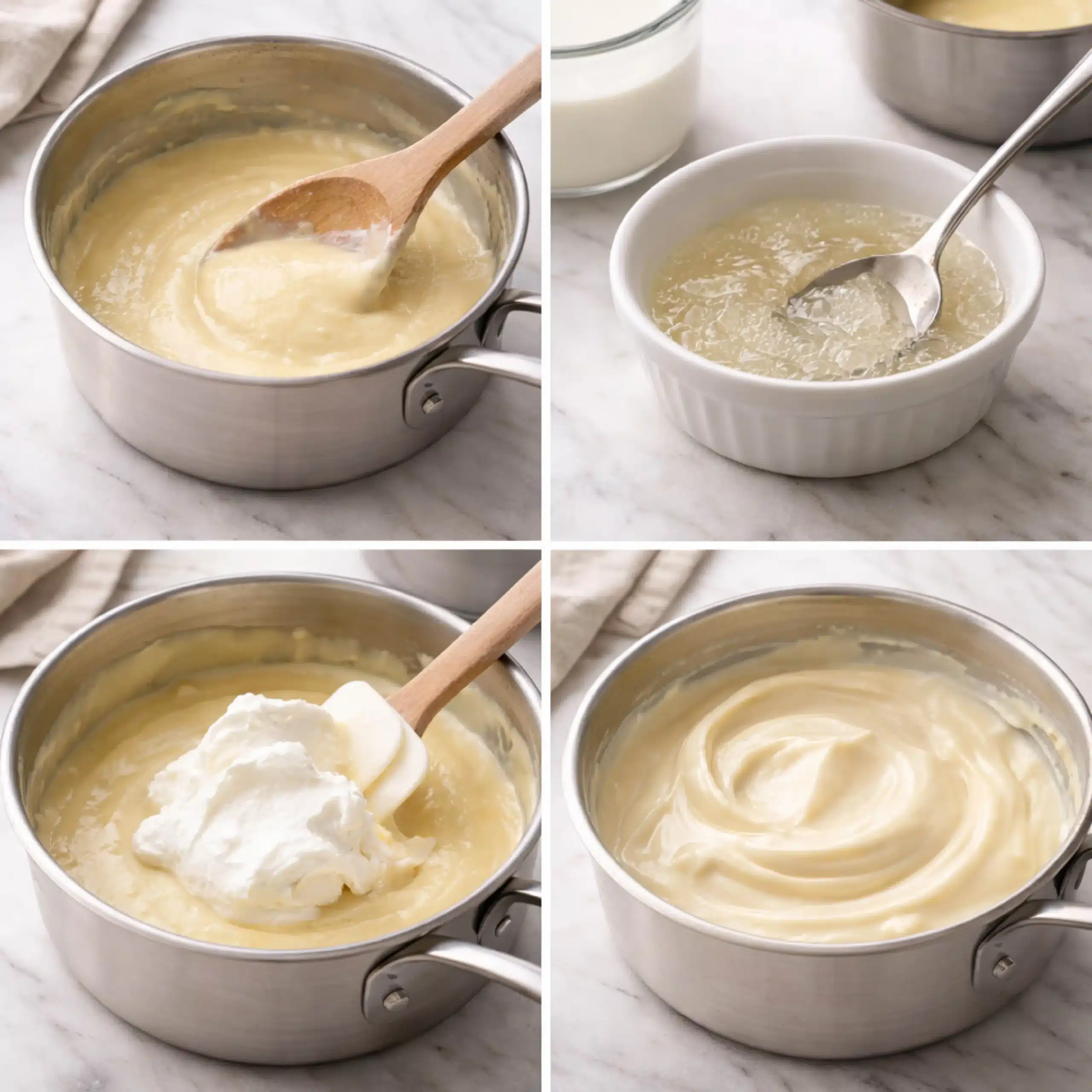
Sprinkle gelatin over cold water and let it bloom for 5 minutes.
Heat milk in a saucepan until steaming, not boiling.
Whisk egg yolks and sugar in a bowl until pale.
Slowly pour warm milk into the yolks while whisking.
Return mixture to the saucepan and cook gently until thickened.
Remove from heat and stir in bloomed gelatin until dissolved.
Let custard cool to room temperature.
Whip cream to soft peaks, then gently fold into custard.
Chill until softly set before using.
Notes
Chill the filling completely before assembling cakes or filling donuts.
Best used within 48 hours for ideal texture.
Not suitable for hot environments or heavy fondant-covered cakes.
- Prep Time: 20 minutes
- Cook Time: 10 minutes
- Category: Filling / Dessert Component
- Cuisine: European / Classic Baking
Table of Contents
Bavarian Cream Filling Basics for Home Bakers
What Defines Bavarian Cream Filling
Bavarian cream filling sits in a very specific space between custard and whipped cream. It starts with a classic cooked custard made from milk, egg yolks, and sugar. Once that base cools slightly, softened gelatin is mixed in to give structure. Finally, whipped cream gets folded in gently.
That final step changes everything. The custard becomes lighter, silkier, and spoonable without losing its ability to set. Bavarian cream filling isn’t stiff, and it shouldn’t be. It’s meant to feel soft and smooth, almost like it melts as you eat it.
This filling is served cold, always. Chilling allows the gelatin to do its job and gives the cream its signature texture. Warm, it’s loose. Cold, it’s elegant. I actually like it best the next day, once the flavors have settled and the texture feels just right.
How It Differs From Pudding or Pastry Cream
It’s easy to confuse Bavarian cream filling with pudding or pastry cream, but they behave very differently. Pudding thickens with starch alone and stays spoon-soft. Pastry cream is thicker and more stable, but also heavier.
Bavarian cream filling uses gelatin and whipped cream, which gives it structure without density. That’s why it works so well inside cakes and pastries where you want clean slices but not a heavy bite.
I’ll be honest. I don’t always feel like dealing with gelatin. Some days I skip this filling entirely and reach for something simpler. But when I do make it, I’m always glad I did.
How Bavarian Cream Filling Is Used in Desserts
Common Desserts That Use Bavarian Cream Filling
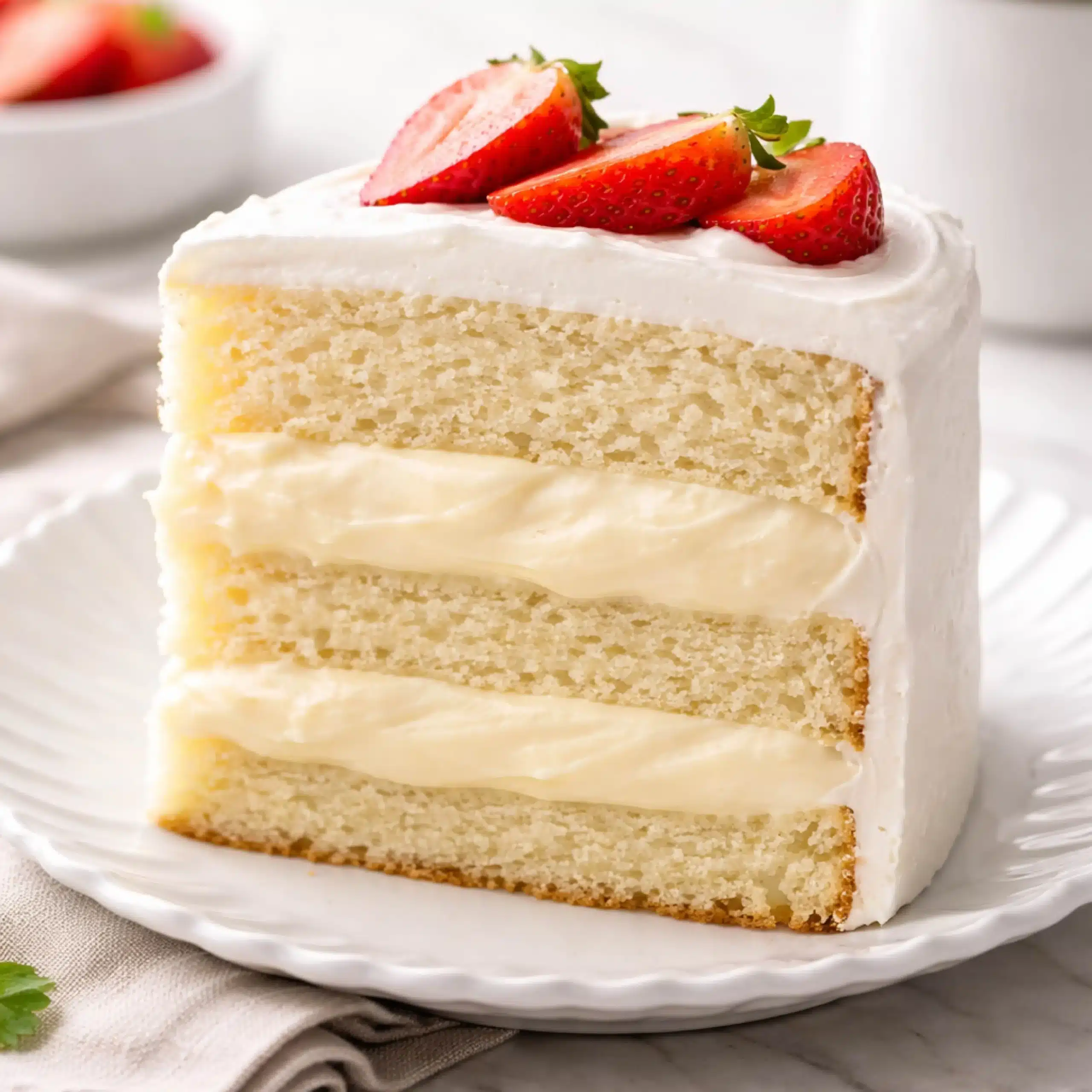
Bavarian cream filling shows up in more classic desserts than most people realize. It’s best known as the creamy center inside bakery-style donuts, piped in after frying so the filling stays smooth and cool. That texture contrast is part of the appeal.
I also use Bavarian cream filling between cake layers when I want something softer than buttercream, similar to how I use pistachio cream in lighter cakes. It works especially well in vanilla cakes, sponge cakes, and light chocolate cakes where the crumb is tender and the flavors are simple, especially cakes built like a classic buttercream cake. The filling doesn’t compete. It supports.
You’ll also find it in pastries like cream puffs, éclairs, and molded desserts where the cream is chilled until set and then unmolded. At home, I rarely bother with molds. I spread or pipe it where I need it and move on. Perfection isn’t the goal.
Because Bavarian cream filling holds its shape once chilled, it creates neat slices and clean layers. That matters more than decoration in my kitchen.
When This Filling Works Best (And When It Doesn’t)
This filling shines in chilled desserts. Cakes stored in the fridge, donuts filled shortly before serving, and pastries enjoyed the same day all benefit from its soft structure.
Heat is the enemy here. Bavarian cream filling softens quickly in warm kitchens and isn’t ideal for outdoor events or long display times. I’ve tried pushing it before. I don’t recommend it.
It also doesn’t work well under heavy fondant. The pressure is too much. But for naked cakes, simple layer cakes, cupcakes, and classic pastries, it’s exactly right.
Some days I choose it because it feels elegant. Other days I skip it because I don’t want to wait for it to chill. Both choices are valid.
Flavor and Texture Characteristics of Bavarian Cream Filling
How the Texture Feels in Cakes and Pastries
Bavarian cream filling has a texture that’s hard to describe until you’ve eaten it cold and properly set. It’s smooth and creamy, but lighter than custard. There’s structure, yet it yields easily when you cut into it or take a bite.
The gelatin gives it shape without stiffness. The whipped cream softens the custard so it doesn’t feel dense or heavy. When used between cake layers, it stays in place but doesn’t resist the fork. That balance is what makes it so useful.
I notice the texture most in donuts. The filling doesn’t gush out, but it also doesn’t feel tight or rubbery. It just sits there quietly, doing its job.
If it feels firm, it’s usually been over-chilled or over-gelatinized. If it feels loose, it likely needed more time in the fridge. There’s a sweet spot, and once you find it, you remember it.
Sweetness and Overall Flavor Balance
The flavor profile of Bavarian cream filling stays intentionally restrained. It isn’t meant to dominate a dessert. It supports everything around it.
The vanilla comes through softly. The egg yolks add warmth without tasting eggy. The whipped cream smooths out the richness so the filling feels balanced rather than indulgent.
I prefer it this way, especially compared to richer options like brown sugar frosting. Loud fillings have their place, but this one feels calm. It works with chocolate, fruit, or plain cake without clashing.
Sometimes I wish it were bolder. Most of the time, I’m grateful it isn’t.
Bavarian Cream Filling Compared to Similar Cream Fillings
Bavarian Cream Filling vs Other Custard-Based Fillings
Bavarian cream filling often gets grouped together with other creamy fillings, but it behaves differently once it’s made and chilled. Unlike straight custards or pastry creams, it’s designed to set softly while still feeling light. That’s what makes it reliable inside cakes and pastries without weighing them down.
Pastry cream relies on starch for thickness, so it feels denser and more spoon-heavy. It’s great for fruit tarts and éclairs, but it doesn’t have the same airy quality. Bavarian cream filling, on the other hand, uses gelatin and whipped cream, which gives it structure without bulk.
I usually decide between the two based on how I want the dessert to feel. If I want something classic and sturdy, I go with pastry cream. If I want something softer and more elegant, I reach for Bavarian cream filling.
Neither is better. They just solve different problems.
How It Differs From Boston-Style Cream Fillings
Boston-style cream fillings tend to be richer and thicker, often closer to a pudding or pastry cream texture. They’re meant to stay put inside donuts and cakes without much movement. That stability comes at the cost of lightness.
Bavarian cream filling feels more delicate. It’s smoother, cooler, and less dense once chilled. Inside a donut, it creates a softer bite. Inside a cake, it blends into the crumb instead of sitting as a heavy layer.
I’ve used both in donuts, and the difference is noticeable. One feels indulgent. The other feels refined. Which one I choose depends on the mood and the dessert.
There are days I want bold and rich. Other days, I want calm and creamy. That’s usually when Bavarian cream filling wins.
Frequently Asked Questions About Bavarian Cream Filling
What is a Bavarian cream filling?
Bavarian cream filling is a chilled custard-based filling made from milk, egg yolks, sugar, gelatin, and whipped cream. The custard is cooked first, then gelatin is added for structure, and finally whipped cream is folded in to lighten the texture. Once chilled, it sets softly and holds its shape without becoming firm or dense.
What kind of filling is in a Bavarian cream donut?
A Bavarian cream donut is typically filled with Bavarian cream filling that’s piped in after frying. The filling stays cool, smooth, and lightly set, creating a soft contrast to the warm, tender dough. It’s less thick than pudding-style fillings and feels lighter with each bite.
What does Bavarian cream filling taste like?
I usually describe it as gentle and balanced. Bavarian cream filling tastes creamy and lightly sweet with a soft vanilla flavor. The egg yolks add richness, but the whipped cream keeps it from feeling heavy. It doesn’t overpower the pastry or cake around it, which is why it works so well in simple desserts.
What is the difference between Bavarian cream and Boston cream filling?
The main difference comes down to texture and structure. Bavarian cream filling is lightened with whipped cream and set with gelatin, giving it a soft, airy feel. Boston cream filling is thicker and more pudding-like, relying on starch for stability. One feels lighter and cooler, while the other feels richer and denser.
A Simple Wrap-Up Before You Bake
Bavarian cream filling is one of those quiet classics that doesn’t need trends or shortcuts to earn its place. It works because it’s balanced, reliable, and comforting in a very old-fashioned way. Whether you use it in donuts, cakes, or pastries, it brings a softness that feels intentional, not fussy.
If you’d like to see how I use this filling in everyday baking or save ideas for later, you can follow along on Facebook and Pinterest. That’s usually where I share the real-life bakes. The imperfect ones too.